Step-by-Step Guide to a Smooth Roof Replacement Experience
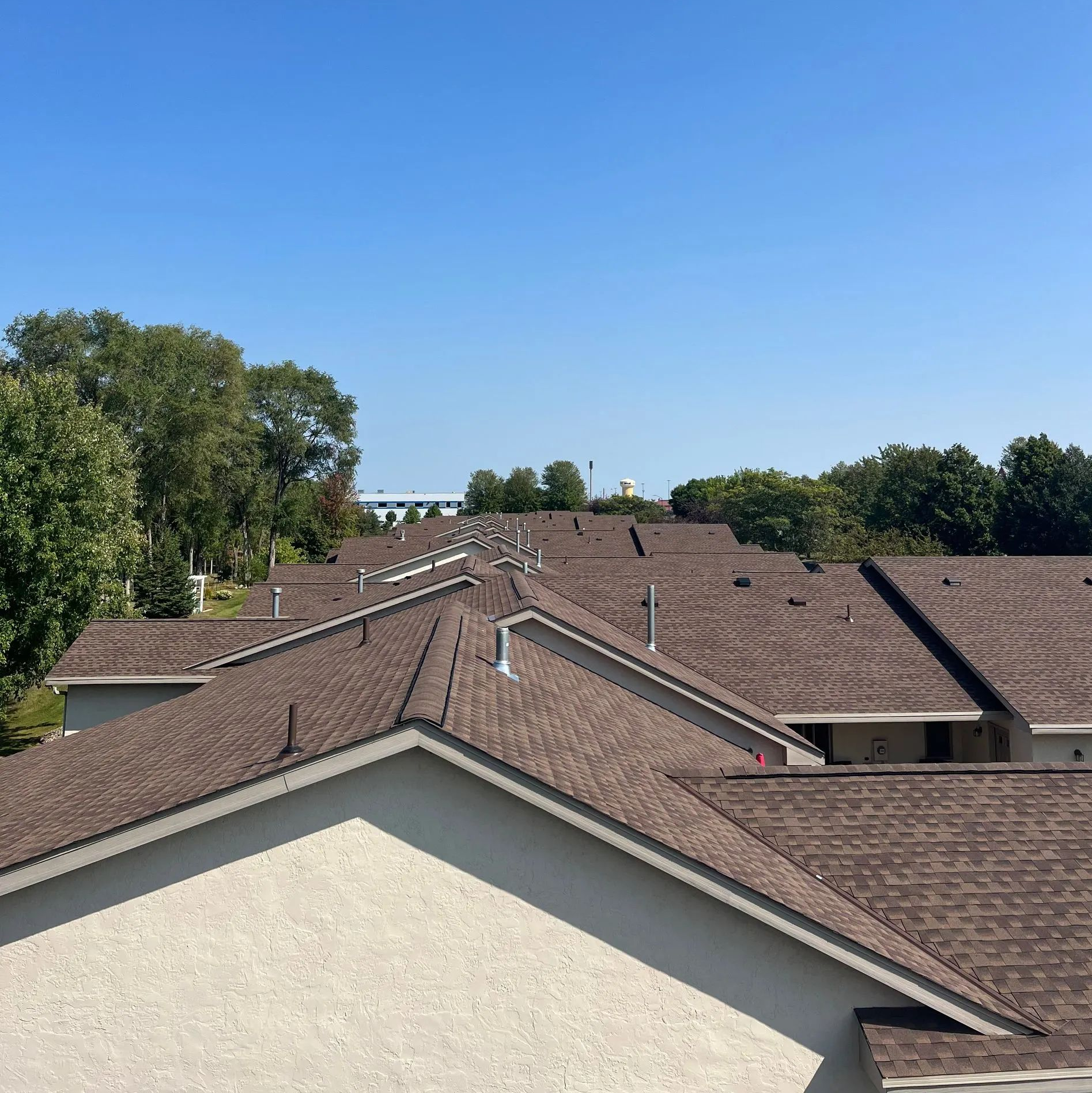
Replacing a roof is one of the most significant investments a property owner can make, directly impacting safety, energy efficiency, and long-term structural integrity. A well-executed roof replacement not only protects the home from harsh weather conditions but also enhances curb appeal and overall property value. Understanding the process in advance helps reduce stress, avoid unexpected costs, and ensure a smoother project experience from start to finish. It also allows better planning for seasonal timing, material availability, and contractor scheduling, which can significantly influence project efficiency and final results.
In today’s construction industry, roof replacement projects require careful planning, material selection, and coordination with skilled professionals. Without a clear roadmap, property owners may face delays, budget overruns, or quality issues that compromise long-term performance. A structured approach ensures each phase is handled efficiently, from initial inspection to final cleanup. This guide provides a detailed breakdown of each step involved in a roof replacement journey, helping property owners make informed decisions with confidence. Whether addressing aging shingles, storm damage, or persistent leaks, knowing what to expect simplifies communication with contractors and ensures better project outcomes. With the right preparation and understanding, roof replacement becomes a manageable and value-driven improvement rather than a stressful disruption to daily life. It also helps in evaluating long-term maintenance needs and choosing solutions that align with durability and energy efficiency goals.
Comprehensive Roof Inspection and Planning Phase
Structural Assessment and Damage Identification
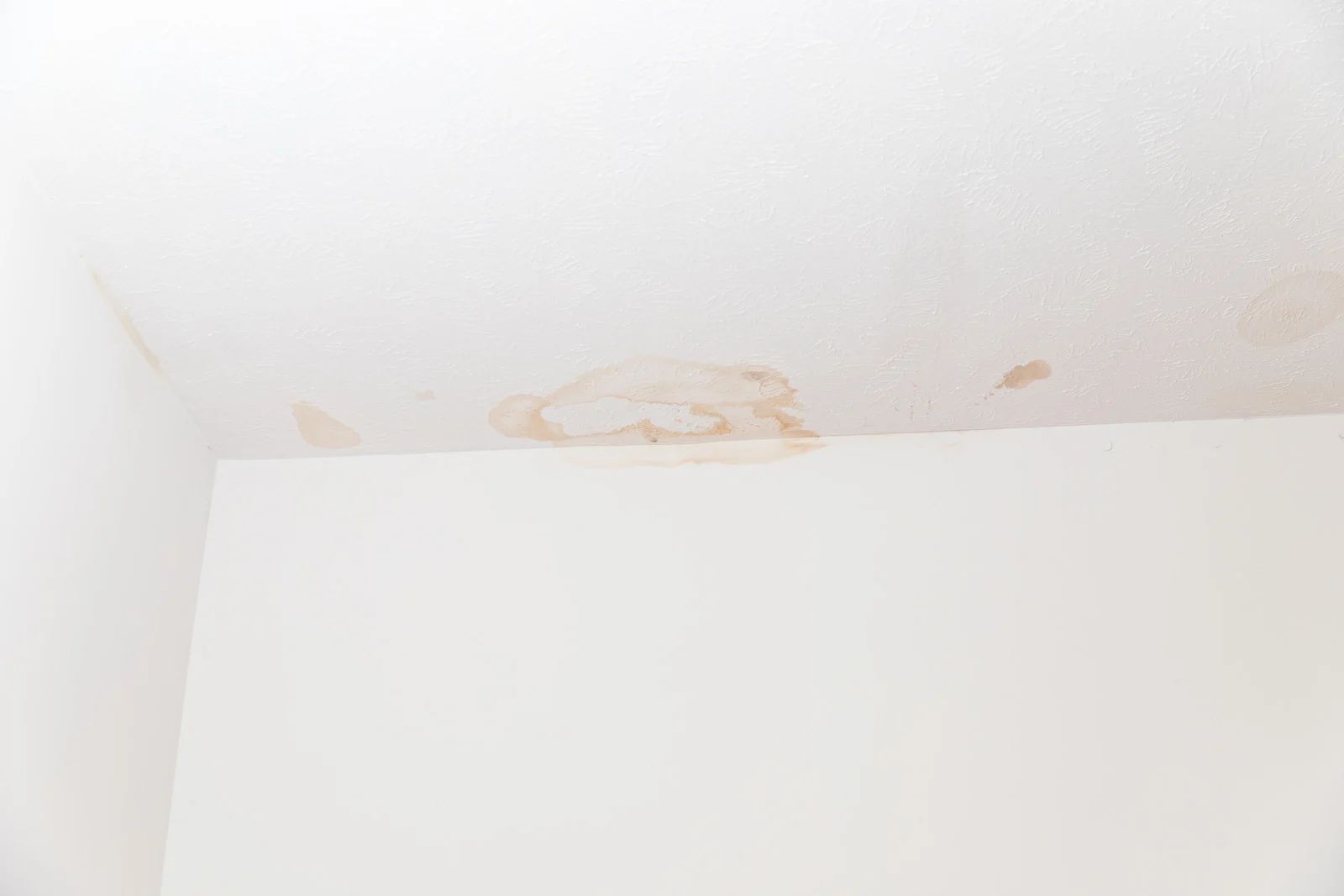
A successful roof replacement begins with a detailed inspection of the existing structure. This step involves identifying visible and hidden issues such as water damage, weakened decking, mold growth, or insulation concerns. A thorough assessment helps determine whether a full replacement is necessary or if partial repairs may still be viable. Accurate evaluation ensures that underlying problems are addressed before new materials are installed, preventing future structural complications and unexpected repair costs, while improving long-term roofing system reliability overall.
Budget Planning and Cost Evaluation
Financial planning plays a crucial role in ensuring a smooth project. We evaluate material options, labor requirements, disposal costs, and potential structural repairs. Transparent budgeting helps avoid unexpected expenses during the project. Property owners are encouraged to compare material grades, warranties, and long-term durability to align costs with performance expectations while ensuring maximum return on investment over the roof’s lifespan and supporting financially sustainable decision-making throughout the entire replacement process effectively.
Permit Requirements and Compliance Checks
Roof replacement often requires local permits depending on building regulations. We ensure compliance with safety codes, zoning rules, and municipal guidelines before work begins. Proper documentation prevents legal complications and project delays. This step also guarantees that the installation meets industry standards for safety and durability, ensuring complete adherence to all applicable construction regulations and supporting smooth project approval without unnecessary administrative setbacks or inspection-related interruptions during execution.
Material Selection and Roofing System Design
Choosing the Right Roofing Materials
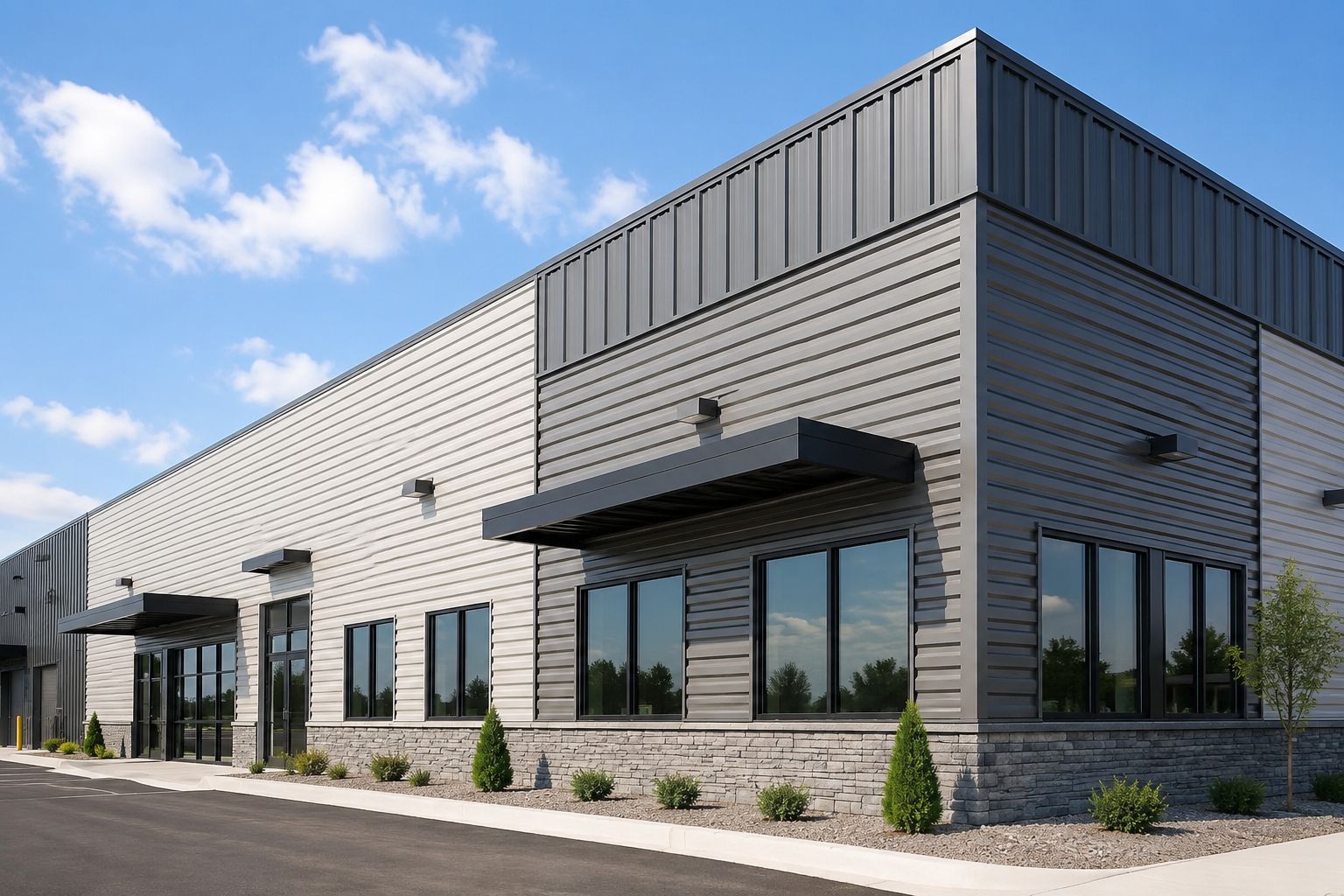
Material selection significantly influences durability, aesthetics, and maintenance requirements. Options typically include asphalt shingles, metal roofing, tile systems, and composite materials. Each option offers different benefits in terms of lifespan, weather resistance, and cost efficiency. We guide selection based on climate conditions, structural capacity, and long-term value to ensure optimal performance and customer satisfaction while also enhancing overall property appearance and improving long-term energy efficiency performance results significantly.
Underlayment and Waterproofing Systems
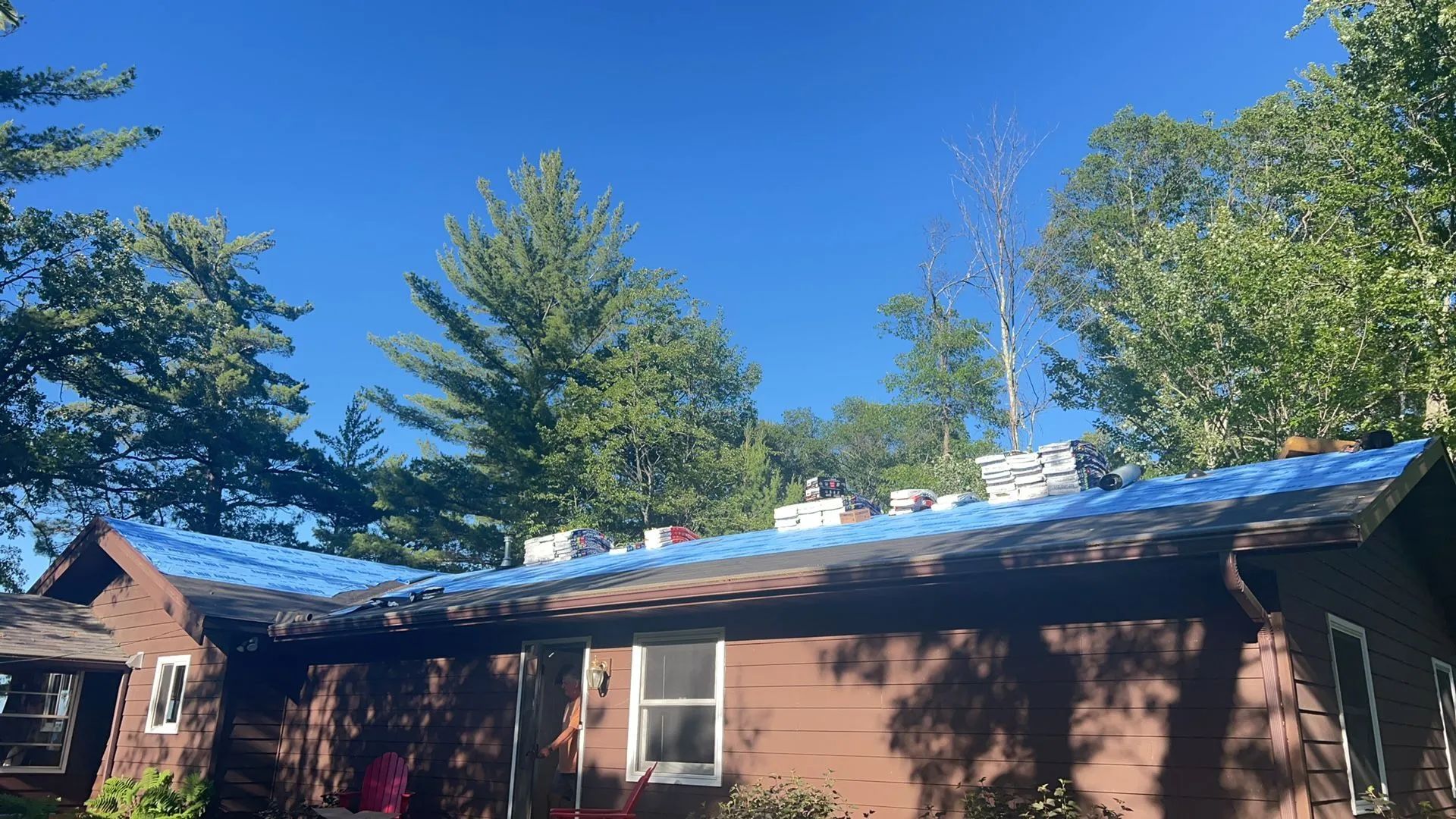
A strong roofing system depends not only on outer materials but also on what lies beneath. High-quality underlayment acts as a moisture barrier, protecting the structure from leaks and condensation damage. Advanced waterproofing layers enhance resistance against heavy rain, snow, and ice buildup, ensuring long-term performance and reducing the risk of costly structural deterioration over time while maintaining consistent protection under varying seasonal weather conditions and environmental stress factors effectively.
Ventilation and Energy Efficiency Planning
Proper ventilation is essential for regulating attic temperature and preventing moisture accumulation. A well-designed roofing system improves energy efficiency by reducing heat transfer and lowering cooling costs. Strategic placement of vents and insulation materials contributes to a balanced and sustainable roofing structure that supports year-round indoor comfort and energy savings while also extending roof lifespan and minimizing potential heat-related material stress throughout changing seasonal temperature conditions effectively.
Preparation of the Property and Removal Process
Site Protection and Safety Measures
Before installation begins, the property must be properly prepared. Protective coverings are placed over landscaping, driveways, and outdoor fixtures to prevent damage from debris. Safety barriers ensure secure working conditions and minimize risk for surrounding areas. Clear preparation reduces disruption and maintains property integrity throughout the project from start to finish while ensuring smooth workflow efficiency and preventing unnecessary damage-related delays during active construction operations effectively overall.
Old Roof Removal and Waste Management
The removal of existing roofing materials is a critical phase that must be handled carefully. Shingles, underlayment, and damaged decking are stripped away to expose the base structure. Proper waste disposal practices ensure debris is managed responsibly. This step allows for a clean foundation and reveals any hidden structural issues that require attention before installation continues while maintaining environmental compliance and ensuring safe disposal of all construction materials efficiently.
Deck Inspection and Structural Repairs
Once the old roof is removed, the decking is thoroughly inspected for rot, weakness, or water damage. Any compromised sections are repaired or replaced to ensure stability. A solid foundation is essential for supporting the new roofing system and preventing future structural problems. This step ensures long-term durability and performance under all weather conditions while reinforcing overall structural safety and enhancing load-bearing capacity for extended service life reliability.
Installation of New Roofing System
Layer-by-Layer Installation Process
The installation process follows a structured sequence beginning with underlayment placement, followed by flashing installation, and finally roofing material application. Each layer is carefully installed to ensure proper alignment, sealing, and weather resistance. Precision during this phase determines the overall performance of the roofing system and long-term structural reliability while also improving installation efficiency and ensuring uniform protection across the entire roof surface for maximum durability outcomes.
Flashing, Sealing, and Leak Protection
Flashing is installed around chimneys, vents, and valleys to prevent water penetration in vulnerable areas. High-quality sealants are applied to reinforce joints and edges. Proper sealing ensures the roof remains watertight even under extreme weather conditions, significantly reducing the risk of future leaks and protecting internal structural components effectively while maintaining long-term resistance against moisture infiltration and enhancing overall roofing system resilience against environmental exposure challenges.
Quality Checks and Structural Alignment
Throughout installation, continuous quality checks are conducted to ensure alignment, fastening strength, and material consistency. Proper installation techniques are essential to avoid future issues such as shingle lifting, uneven surfaces, or premature wear. Attention to detail guarantees long-lasting structural integrity and enhances overall roofing system reliability and durability while also ensuring compliance with industry standards and maximizing long-term performance efficiency under diverse weather conditions consistently.
Final Inspection, Cleanup, and Maintenance Guidance
Post-Installation Inspection and Verification
After installation is complete, a final inspection ensures all components meet quality and safety standards. This includes checking seals, verifying structural alignment, and confirming proper installation of all roofing elements. Any minor adjustments are addressed immediately to ensure optimal performance and long-term reliability of the completed roofing system while also validating compliance with design specifications and ensuring full customer satisfaction with the completed construction project outcome.
Site Cleanup and Debris Removal
A thorough cleanup process restores the property to its original condition. Nails, debris, and leftover materials are carefully removed from the site. Magnetic tools are often used to ensure no sharp objects remain in surrounding areas, ensuring safety for occupants, pets, and landscaping throughout the entire property while also leaving the site visually clean and professionally finished after construction completion for improved overall presentation quality.
Maintenance Planning and Long-Term Care
Proper maintenance is essential for maximizing roof lifespan. Regular inspections, gutter cleaning, and minor repairs help prevent major issues over time. Establishing a maintenance schedule ensures early detection of potential damage and preserves the structural integrity of the roofing system, ensuring consistent performance and long-term protection for the property while also reducing long-term repair costs and enhancing overall durability and weather resistance throughout seasonal variations effectively.
Maintaining Structural Integrity Through Quality Roofing Systems
A smooth roof replacement experience depends on structured planning, quality materials, skilled installation, and consistent inspection at every stage. Each phase plays a vital role in ensuring long-term durability, weather resistance, and overall structural safety. Understanding the process allows property owners to make informed decisions and avoid unnecessary disruptions or expenses. Careful attention to preparation, installation techniques, and post-project maintenance significantly improves performance and extends the lifespan of the roofing system. A well-executed replacement not only protects the property but also enhances energy efficiency and long-term value.
We at Woodland Roofing & Exteriors, LLC
bring dependable expertise in delivering high-quality roof replacement solutions across the Brainerd Lakes and Twin Cities regions of Minnesota. With over 30
years of experience, our approach focuses on precision, durability, and long-term performance for every roofing project. Each replacement process is handled with a commitment to structural integrity, material excellence, and detailed workmanship that aligns with modern industry standards. We prioritize clear communication, accurate project planning, and efficient execution to ensure a seamless experience from inspection to completion.