Commercial Siding That Holds Up: Choosing the Right Material and Knowing When It's Failing
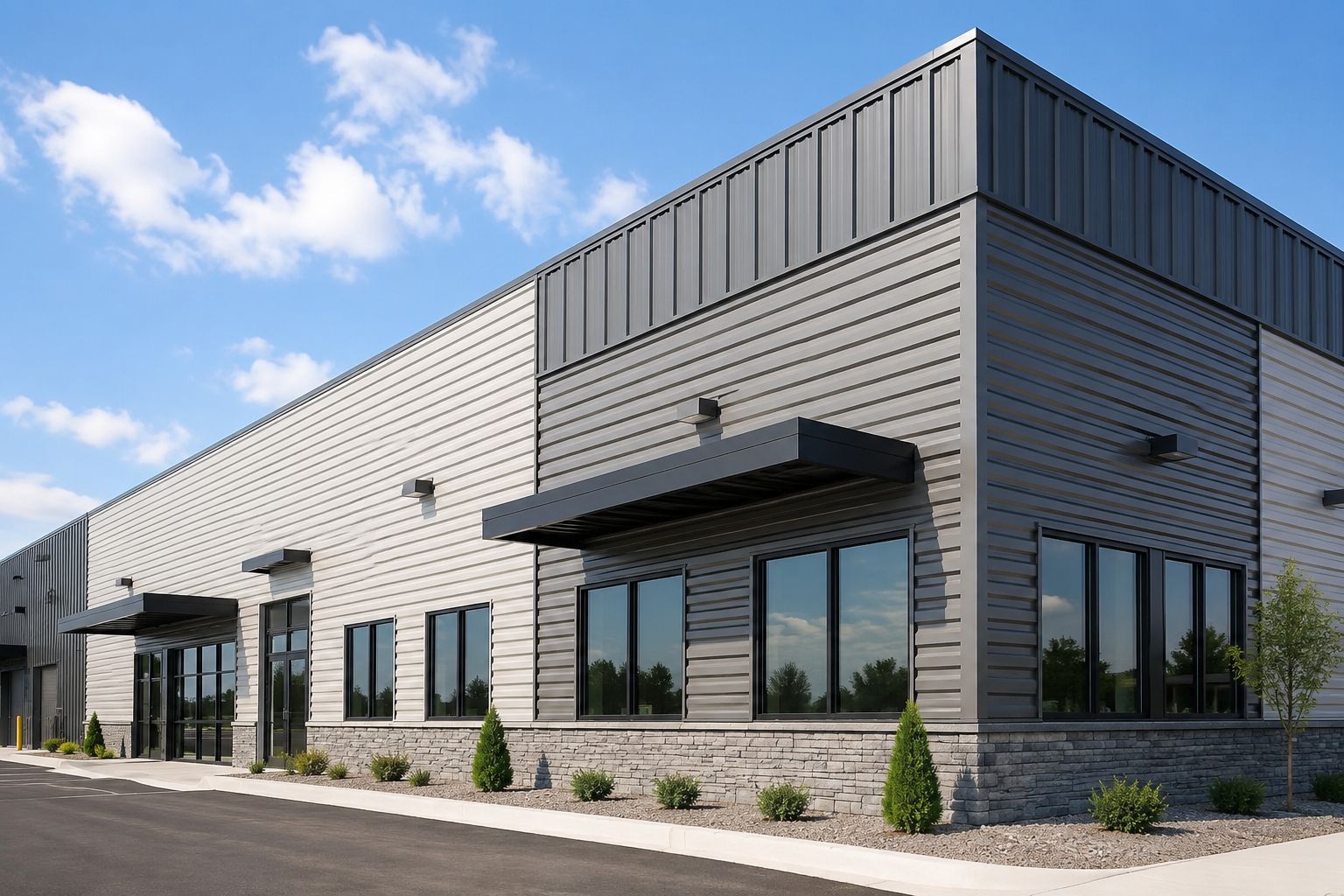
Quick Answer: Commercial siding is the exterior cladding that protects your building's walls from weather and gives it its finished look, and choosing well means matching the material to your building's demands, durability, low maintenance, appearance, and how it stands up to the local climate. Common commercial options include metal, fiber cement, and others, each with different strengths. Watch for signs siding is failing: cracks, gaps, or damaged panels; moisture, water intrusion, or rot behind it; warping, buckling, or loose sections; and a worn, faded look. Because siding is what keeps weather out of the walls, damaged siding is worth addressing before it lets water in. In a harsh, cold, snowy climate, durable siding and prompt repair matter even more.
Your building's siding is one of those things you don't think about until there's a problem, and then it's a real one. Commercial siding does more than give the building a finished, professional look, it's the exterior cladding that protects the walls from weather, and when it starts to fail, water and cold don't stay outside where they belong. If you're planning a new build, weighing a re-side, or just trying to figure out whether your current siding is holding up, it pays to understand what commercial siding does, how to choose the right material, and how to tell when it's failing.
That's what this guide covers. Commercial siding is a bigger decision than it looks, the material you choose affects how the building holds up, how much upkeep it needs, and how it looks for years, and staying ahead of siding problems protects the building envelope. Especially in a demanding Minnesota climate of heavy snow, deep cold, and hard weather, siding takes a beating, so choosing durable siding and catching failures early matter. Here's what a commercial property owner or manager should know.
What Commercial Siding Does, and Why the Material Matters
Before choosing siding or judging whether yours is failing, it helps to be clear on what siding is actually for, because that's what the whole decision hinges on. Commercial siding is the exterior cladding on your building's walls, and it does two jobs at once: it protects the walls from the weather, rain, snow, wind, cold, sun, and it gives the building its exterior appearance. That protective job is the important one. The siding is a key part of the building envelope, the barrier that keeps weather out of the structure, so its condition directly affects whether the walls stay dry and sound.
Because siding does that protective work, the material you choose isn't just a cosmetic pick, it determines how well and how long the building is protected, and how much maintenance that takes. Different siding materials offer different balances of durability, weather resistance, maintenance needs, appearance, and longevity. Some are more durable or lower-maintenance than others; some handle harsh weather better; some hold their look longer. The right material for a commercial building depends on the building's needs and the conditions it faces.
So the two central questions with commercial siding are: what material best fits this building and its climate, and is the siding currently doing its protective job or starting to fail? Getting the material right sets the building up to be protected and low-maintenance for years; catching failure early keeps a siding problem from becoming a wall problem. The rest of this guide takes those in turn.
Choosing the Right Commercial Siding Material
When you're choosing siding for a commercial building, whether a new build or a re-side, the goal is matching the material to what the building needs. Here's how to think about it.
Durability and weather resistance
For a commercial building, especially in a harsh climate, how well the siding stands up to weather and wear over time is often the top priority. You want siding that can take the local conditions, snow, cold, wind, moisture, temperature swings, without failing prematurely. More durable, weather-resistant materials generally pay off on a building meant to last.
Maintenance needs
Different siding materials require different upkeep. For a commercial property, lower-maintenance siding that doesn't demand constant attention is usually appealing, since it means less ongoing effort and cost to keep the building protected and looking right. It's worth weighing how much maintenance a material realistically needs.
Appearance and the building's image
Siding is a big part of how the building presents, and for a commercial property, a clean, professional look matters. You want a material and finish that give the appearance you want and hold that look over time rather than fading or looking worn quickly.
Longevity and how it fits the building
Consider how long the siding will last and how well it suits the specific building, its size, use, and design. Common commercial siding options include metal and fiber cement among others, each with its own strengths in durability, maintenance, and appearance, so the best choice depends on matching those strengths to your building's priorities.
The right call comes from weighing these together for your particular building and climate: a durable, appropriately low-maintenance material that gives the look you want and stands up to the conditions. There's no single "best" siding for every commercial building, it's about fit. Because that decision affects the building for many years, it's worth talking through the options with an experienced siding contractor who can match the material to your building and local conditions rather than guessing.
Tip: When choosing commercial siding, weigh durability, maintenance, appearance, and longevity together against your building's real conditions, not just upfront looks. In a harsh climate, lean toward materials proven to handle the local weather, since siding that fails early or needs constant upkeep costs you far more over the building's life than one that holds up. And think about the whole building envelope, how the siding integrates with flashing, trim, and the rest of the exterior, because siding only protects well when it's part of a properly installed system, which is where experienced installation matters as much as the material itself.
Signs Your Commercial Siding Is Failing
Just as important as choosing siding is knowing when existing siding is starting to fail, because siding that's no longer doing its protective job lets weather into the walls. Watch for these signs.
Cracks, gaps, holes, or damaged panels
Visible cracks, gaps, holes, or broken and damaged siding panels are direct breaches in the protective layer, exactly the openings that let water and weather reach the wall behind. Damaged panels are a clear sign the siding needs attention.
Moisture, water intrusion, or rot
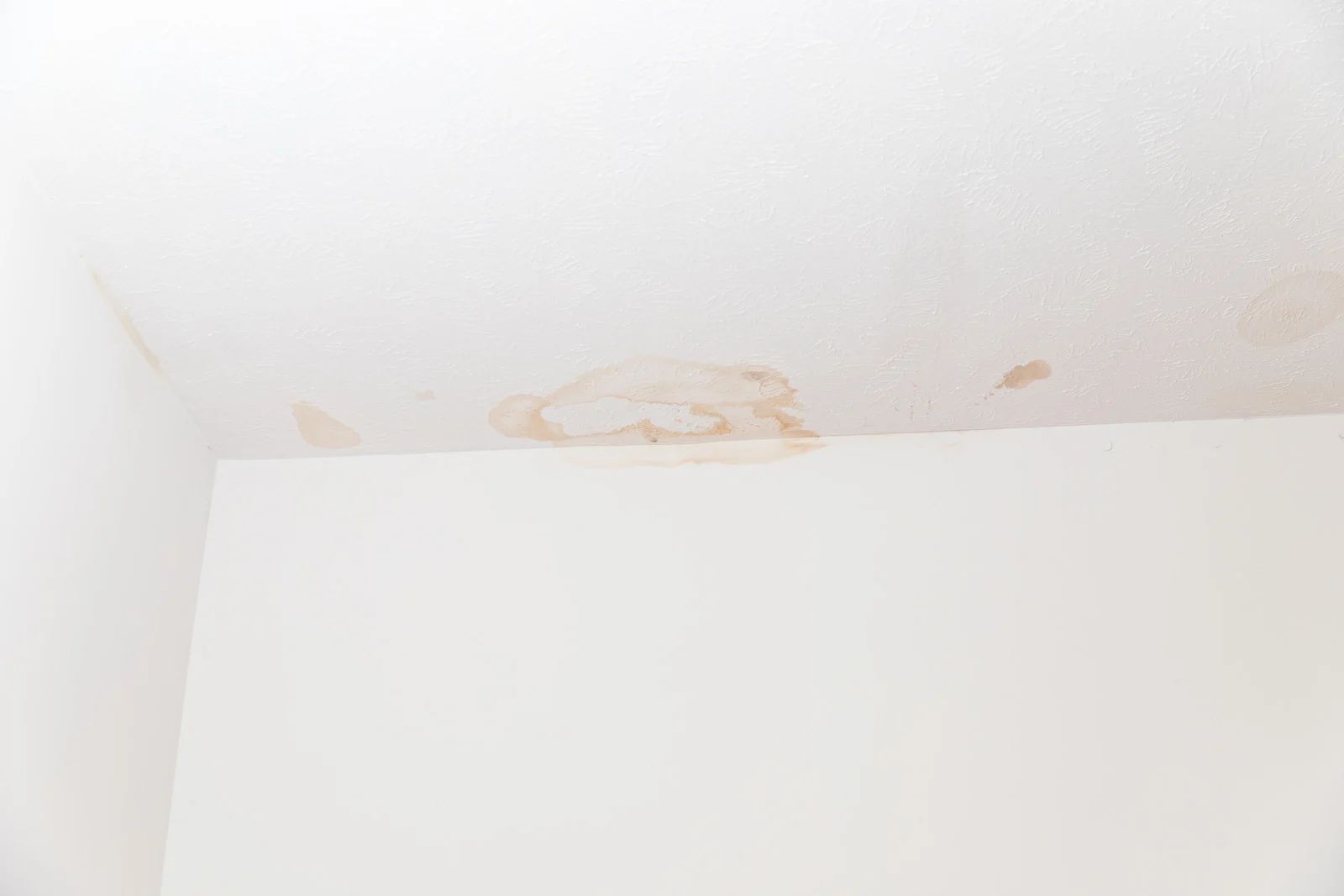
Signs of water getting behind the siding, moisture, staining, or rot on the walls or the siding itself, mean the siding is no longer keeping water out. This is among the most serious signs, because water in the wall leads to further damage if not addressed.
Warping, buckling, or loose sections
Siding that's warping, buckling, bulging, or coming loose has lost its proper seal and fit against the building, creating gaps and letting weather in. Loose or distorted siding is both a protection problem and often a sign of underlying moisture or age.
A worn, faded, or deteriorating appearance
Siding that looks badly faded, worn, or generally deteriorated may be near the end of its useful life, and beyond looks, aged siding is often less able to protect the walls the way it should.
The common thread is that failing siding stops keeping weather out, and once water gets past it, the problem moves from the siding to the wall and structure. That's why these signs are worth acting on rather than ignoring, addressing damaged or failing siding protects the building envelope before a siding issue becomes a costly water-and-structure issue. If you're seeing several of these, it's time to have the siding assessed and repaired or replaced.
Warning: Don't ignore failing commercial siding, cracks, gaps, damaged or loose panels, or signs of moisture behind it, because siding is what keeps weather out of your walls, and once it's breached, water gets into the building envelope and can cause rot and structural damage that's far worse than the siding problem itself. In a cold, snowy climate, moisture intrusion and freeze-thaw cycles make that damage progress fast. A worn or damaged section left alone tends to spread, so catching and fixing siding failures early, ideally with a professional assessment of the whole envelope, is far better than waiting until water has already found its way into the walls.
Frequently Asked Questions
What does commercial siding actually do?
Commercial siding is the exterior cladding on your building's walls, and it does two things: it protects the walls from weather, rain, snow, wind, cold, sun, and it gives the building its finished, professional appearance. The protective role is the critical one, siding is a key part of the building envelope that keeps weather out of the structure. That's why its condition matters so much and why the material you choose isn't just about looks; it determines how well and how long the building is protected.
How do I choose the right commercial siding material?
Match the material to your building's needs and climate by weighing durability and weather resistance, maintenance requirements, appearance, and longevity together. For a commercial building in a harsh climate, durability and weather resistance are often top priorities, along with lower maintenance and a professional look that lasts. Common options like metal and fiber cement each have different strengths, so the best choice depends on fit. Because it's a long-term decision, it's worth reviewing the options with an experienced siding contractor.
What are the common commercial siding materials?
Common commercial siding options include metal and fiber cement, among others, each offering a different balance of durability, weather resistance, maintenance needs, appearance, and longevity. There's no single best material for every building, some are more durable, some lower-maintenance, some hold their look longer, so the right pick depends on your building's priorities and the conditions it faces. Matching a material's strengths to what your specific building needs is the goal, which is where professional guidance helps.
How do I know if my commercial siding is failing?
Look for cracks, gaps, holes, or damaged panels; signs of moisture, water intrusion, staining, or rot behind the siding; warping, buckling, or loose sections; and a badly worn, faded, or deteriorating appearance. These indicate the siding is no longer doing its protective job. The moisture-related signs are the most serious, because they mean water is getting into the walls. If you're seeing several of these, it's worth having the siding assessed so it can be repaired or replaced before the problem spreads.
Why is failing siding such a big deal?
Because siding is what keeps weather out of your walls. Once it's cracked, gapped, loose, or breached, water and weather reach the wall behind it, and that can cause rot and structural damage far more serious and costly than the siding itself. In a cold, snowy climate, moisture and freeze-thaw cycles make that damage progress quickly. So failing siding isn't just a cosmetic issue, it's a threat to the building envelope, which is why the signs are worth acting on promptly rather than leaving.
Can damaged siding be repaired, or does it need full replacement?
It depends on the extent and cause. Limited, localized damage can sometimes be repaired, while siding that's widely failing, aged out, or hiding moisture damage behind it may warrant replacement. The right call comes from assessing the actual condition, how much is damaged, whether water has gotten into the walls, and the siding's overall age and state. An experienced contractor can evaluate the siding and the building envelope and recommend repair or replacement based on what's actually going on, rather than a guess.
Does the Minnesota climate affect commercial siding choices?
Yes. Heavy snow, deep cold, wind, moisture, and temperature swings are hard on siding, so durability and weather resistance are especially important here, and prompt repair of any failures matters more because moisture intrusion and freeze-thaw cycles can make damage progress fast. Choosing a material proven to handle these conditions, and keeping the siding sound, protects the building through demanding winters. It's a strong reason to weigh local conditions heavily when choosing siding and to address failing siding before harsh weather exploits it.
Protect the Building From the Outside In
Commercial siding is more than the face of your building, it's the cladding that protects the walls from weather, so both choosing it well and keeping it sound really matter. When you're selecting siding, match the material, metal, fiber cement, or another option, to your building's needs and climate by weighing durability, maintenance, appearance, and longevity together, leaning toward what stands up to local conditions. And watch existing siding for the signs of failure, cracks and gaps, damaged or loose panels, moisture behind it, warping, or a worn-out look, and address them before water gets into the walls. In a harsh Minnesota climate, durable siding and prompt repair are what keep the building protected from the outside in, season after season.
Get your commercial siding assessed or specified by an experienced exterior contractor — Whether you're choosing siding for a new build or re-side project, or noticing cracks, loose panels, or moisture that signal failure, your siding plays a critical role in protecting the entire building envelope. As a trusted provider of
commercial siding services, Woodland Roofing & Exteriors evaluates commercial siding and the complete exterior system to help you select and install durable materials designed to perform in Minnesota’s climate. Backed by 30 years of experience, we proudly serve the Brainerd Lakes and Twin Cities regions of Minnesota, helping property owners protect their buildings before the next hard winter puts the exterior to the test. Reach out today for a professional siding assessment.