Shingles Missing or Lifted After a Minnesota Windstorm? What to Do First
Quick Answer: Start from the ground. Stay off the roof, walk the property with a camera or binoculars, and photograph every missing, lifted, or creased shingle along with any debris in the yard. Then protect the opening. A tarp or temporary patch keeps rain and snowmelt out of the attic until a real repair can be made. Wind damage tends to begin at the eaves, ridges, and corners, so a few visible gaps usually mean more lifted or creased shingles nearby that you cannot see from the lawn. A roofer who walks the whole surface can tell you whether you have a quick repair or a section that needs to be replaced.
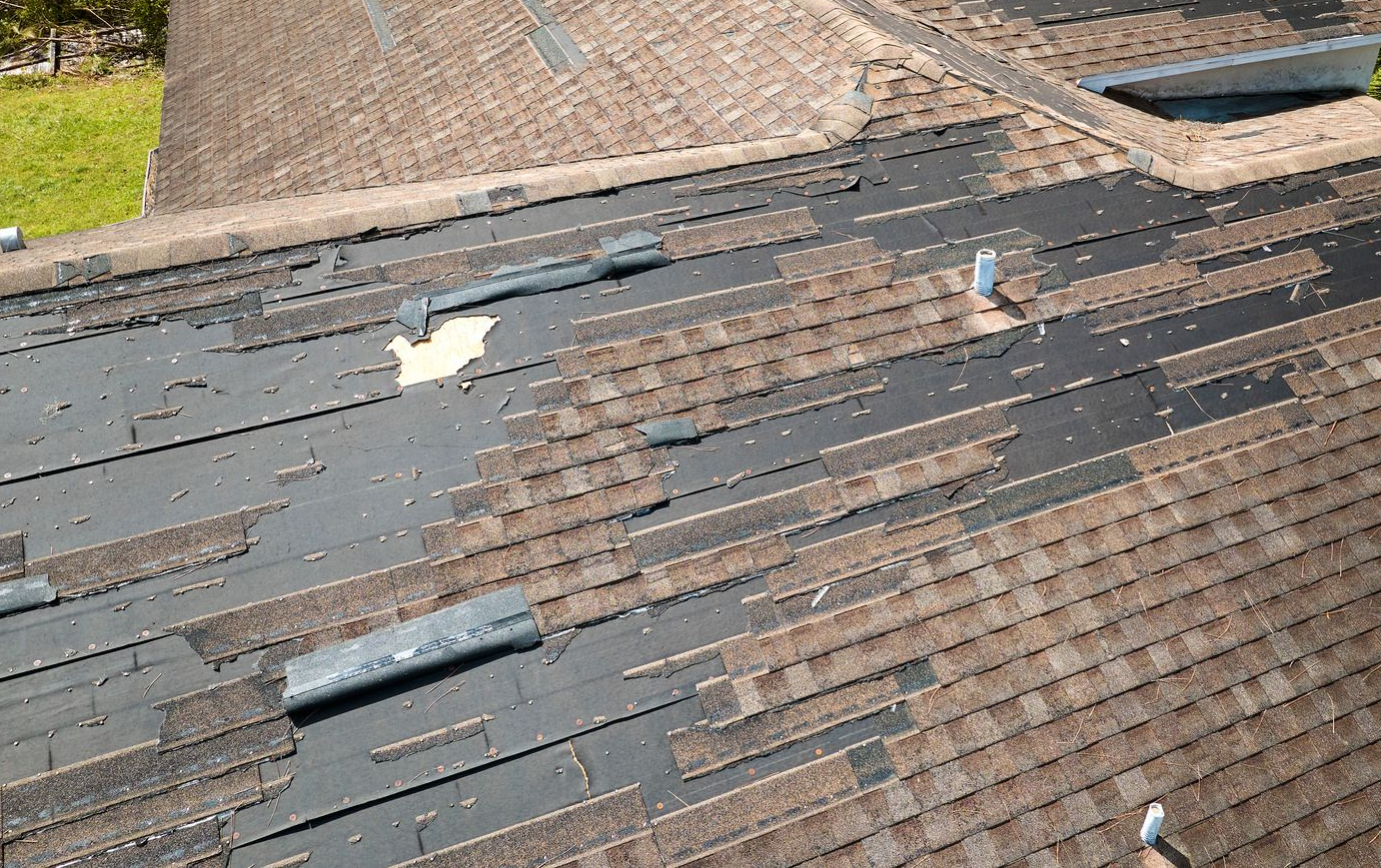
The storm came through after supper. You heard the trees working, maybe a loud bang from the garage side of the house, and by the time the gusts died down the power had flickered twice. In the morning you walk out with your coffee and there it is: a few dark shingles lying in the flower bed, a pale patch of bare underlayment near the peak, and one tab along the edge that sticks up like a loose page in a book.
Nothing is dripping yet. The ceiling looks fine. It is tempting to call it a small thing and put it off until the weekend, or until you have a better look.
What you do in the first day or two matters more than most people expect. A roof that lost a few shingles is a roof with a hole in its weather barrier, and Minnesota gives that hole plenty to work with: rain, wet snow, and a freeze and thaw cycle that pries at every exposed edge. This is how to size up the damage safely and protect the house while you line up a proper repair.
Start From the Ground, Not the Ladder
Every spring and fall, people climb onto roofs after a blow and get hurt. Shingles wet from rain or covered in a skin of frost are slick, and a roof with damaged sections can flex or shed granules under your boots. You do not need to be on the roof to learn most of what matters in the first hour.
Walk the full perimeter of the house slowly. Look at the ground first. Shingle pieces, torn tabs, and strips of ridge cap tell you where the wind was working. Check gutters, window wells, and the far corners of the yard, because shingles can travel a long way. Then look up at the roof from several angles. Binoculars or the zoom on a phone camera will show you bare patches, tabs standing up off the surface, and dark streaks where the surface granules have been scrubbed away.
Take photographs of everything, wide shots first and then close ones. Include the debris on the ground, the areas of the roof where shingles are missing, and any damage to siding, soffits, gutters, or fences. Date and location of the photos are saved automatically on most phones, which is handy later when you are describing the storm to a contractor.
Tip: Photograph the roof from the same spots your neighbors can see it from, such as the street and the driveway. If the damage pattern is on the side of the house facing the storm, it helps a roofer understand the wind direction and where to look for related damage you cannot see.
What Wind Actually Does to Asphalt Shingles
It helps to understand how shingles fail, because it tells you what to look for. Wind does not simply peel a shingle off like a sticker. Moving air across the roof creates lower pressure above the shingle than below it, and that difference pulls on the free edge of each tab. Once a tab lifts, more of its surface is exposed to the wind, and the force on it grows quickly.
A lifted tab then flutters, flips, and bends back along the line just below the shingle row above it. Repeated bending creases the mat, and a creased shingle has lost the strength it needs to stay flat. Some tabs tear off in the storm. Others stay on the roof but are now damaged in a way that will only get worse with the next gust.
This is also why the damage clusters in predictable places. Wind loads run highest at the eaves, along the rakes, at hips and ridges, and around corners of the roof. If your missing shingles are along the edges or at the peak, that is exactly what a wind event leaves behind. Creases on newer shingles can be hard to see from a distance and sometimes only show when you look closely or feel the underside of the tab.
Lifted Is Not the Same as Missing
A shingle that is gone is easy to spot. A shingle that is lifted takes more judgment, and homeowners often get this part wrong in both directions.
Asphalt shingles are held down by a strip of factory sealant that bonds each shingle to the one below it as the roof warms in sunshine. That bond is what gives the roof most of its wind resistance. When the sealant strip lets go, the tab is free to move even if it is still nailed in place.
Not every unsealed shingle was unsealed by the storm. Sealant strips can fail slowly with age, dust and debris on the strip at installation, nails driven too deep or too shallow, cold weather during installation that kept the glue from setting properly, and years of heating and cooling can all weaken the bond. When the cause is an installation or aging issue, the unsealed shingles often show a pattern, such as a diagonal line that follows the order in which the roof was laid. Wind damage follows the wind. It concentrates where uplift is highest and leaves creases, folds, tears, or missing pieces behind.
So two homes next door to each other can have the same storm and a different story. One has torn shingles that need to be replaced. The other has a roof whose seal has been giving out for years and needs a different kind of fix. Pressing on a tab and seeing it flop does not tell you which one you have, and it is not something to test by pulling at shingles yourself.
The First Twenty Four Hours
Once you have photographed the damage from the ground, the priorities are simple: keep water out, keep people safe, and get the roof looked at.
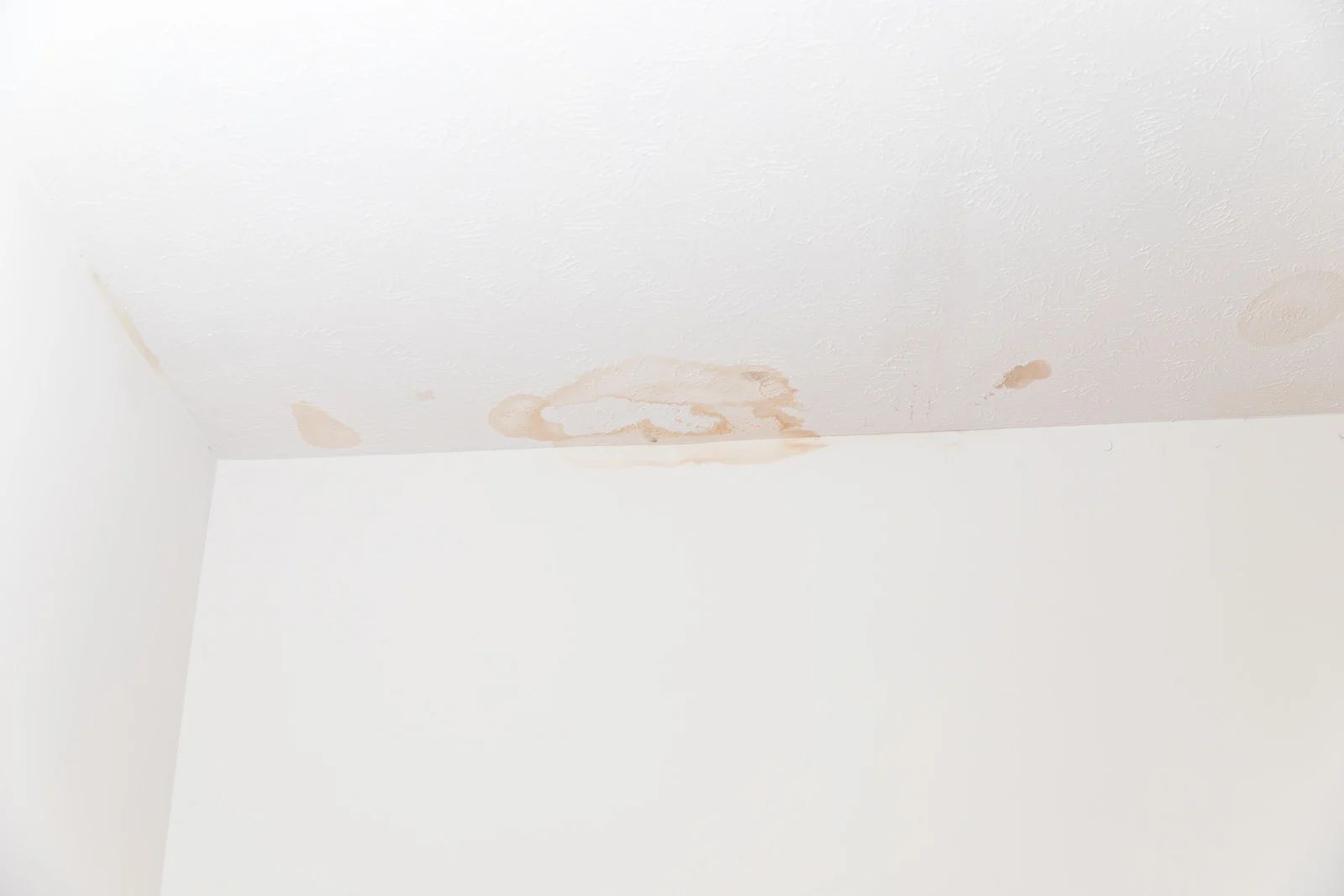
Inside the house, check the ceilings under the damaged area and the attic if you can reach it safely. Look for stains, damp insulation, or daylight coming through the roof deck. Small leaks after a storm do not always show right away, because insulation soaks up water before it reaches the drywall. Put a bucket and a tarp under anything that is dripping and move belongings away from the wet spot.
If shingles are missing and rain or snow is in the forecast, the opening needs a temporary cover. A properly secured tarp, or a repair by a roofer who can work in the conditions, is much better than leaving bare underlayment exposed. Underlayment is only a backup layer and is not meant to be left uncovered for weeks, especially when wind and sunlight break it down quickly.
Warning: Do not climb onto the roof to nail down a tarp yourself, especially in wet, icy, or windy conditions. Falls from roofs cause serious injuries every year, and a tarp tacked on poorly can catch the wind and tear away more shingles than it protects.
Also walk the yard for hazards before anyone else does. Loose shingle pieces with exposed nails, hanging gutter sections, and branches caught on the roof edge can all fall without warning.
Why Minnesota Makes the Timing Matter
Minnesota roofs live a hard life, and a windstorm tends to arrive at the worst time. A summer storm leaves you with weeks of warm weather to fix things, but an autumn windstorm hands you open roof sections just before the first snow. A winter or early spring wind event can pull shingles off a roof that is already holding a load of snow and ice.
Wet snow sits on the exposed spot and melts into the deck. Water that gets under the edge of a lifted shingle freezes overnight and expands, which pries the shingle up further and breaks the seal between the shingle courses around it. By spring, a spot that began as three missing shingles can grow into a soft patch of roof deck and a stain on the ceiling.
In lake country, around Nisswa, Crosslake, and Pequot Lakes, wind coming off the water hits roofs on exposed lots with very little to slow it down. Cabins that stand empty for part of the year can go weeks with open roof damage before anyone sees it. In the Twin Cities suburbs, the same storm cell that takes shingles off a ridge in Lakeville might skip the next street entirely. Either way, the roofline most exposed to the wind, such as the corners and the highest ridge, is the part to check first.
What a Good Roofer Checks After Wind
A proper post storm inspection goes beyond the shingles you can see missing. A roofer who walks the roof will look at the entire surface, because lifted and creased shingles are often scattered well beyond the obvious gaps.
The checks usually include the eaves and rakes, where wind pressure is greatest, the ridge and hip caps, which are easy to lose and easy to overlook, and the flashing at chimneys, walls, and vents, where lifted metal lets water in. The roofer will test whether tabs are sealed, look for creases that show wind has already bent the shingle, and check nail placement in the sections that were lost. The roofer will also look at the roof deck where shingles are missing, since wet or soft wood changes the repair.
From there the answer is usually one of three things: a spot repair where matching shingles replace the lost ones, a larger section replacement where damage is widespread across a slope, or in less common cases a conversation about the roof as a whole, if the shingles are old, brittle, and no longer hold a seal. A good contractor explains which of those it is and why, and shows you the evidence on the roof.
Matching and Repairing the Roof Properly
Repairing a wind damaged roof is more than sticking new shingles in the gaps. New shingles have to be nailed correctly, high enough on the shingle and in the right pattern, and each one must sit over properly lapped courses so water sheds the way it was designed to. Shingles installed in cold weather may need to be hand sealed with roofing cement, since the sealant strip needs warmth and sunshine to bond.
Matching can be a challenge on an older roof. Shingle lines get discontinued and color fades with years of sun, so a new patch can stand out. A roofer can often pick the closest match and place the repair where it is least noticeable, but on a roof near the end of its life, a section or full replacement may serve you better than patching damage every time the wind picks up.
If your roof is metal, the questions are different, such as whether panels have lifted, fasteners have backed out, or trim has been bent by the wind. Those need their own inspection.
Frequently Asked Questions
Should I get on the roof to check the damage myself?
No. Check from the ground with binoculars or a phone camera. Wet, frosty, or damaged roofs are slippery and unpredictable, and a fall is a far bigger problem than a missing shingle.
How long can a roof with missing shingles wait for repair?
Not long. Bare underlayment is only a backup layer and breaks down in sun, wind, and weather. If rain or snow is coming, cover the opening right away and schedule the permanent fix soon.
What if my shingles are lifted but none are missing?
Lifted tabs may be unsealed from the storm, or from age and installation. Creases, tears, and missing pieces point to wind. A roofer can tell the difference and choose resealing, spot repair, or section replacement.
Can wind damage a roof that looks fine from the ground?
Yes. Creased shingles and lifted ridge caps are often hard to see from the yard, and damage can be scattered across a slope. An inspection on the roof finds what binoculars and a phone camera miss.
Are missing shingles an emergency?
They can be, if the underlayment or roof deck is exposed to rain or snow. Even a few missing shingles let water into the attic, so cover them quickly and watch ceilings and insulation for moisture.
What should I do if I see a stain on the ceiling after a windstorm?
Place a bucket under any drip, move belongings, and check the attic if you can do so safely. Photograph it, then have the roof inspected promptly, since the leak often starts higher up the slope.
Handling the First Step Well Pays Off
A windstorm leaves more than debris in the flower bed. It leaves information about your roof, in the shingles that held, the edges the wind got under, and the sections that were already tired. The work of the first day or two is simple but it matters: photograph everything from the ground, protect any opening before the next rain or snow, and resist the urge to climb up for a closer look. What you do in those hours decides whether a small gap stays small.
Roofs rarely fail all at once. They fail in steps, a lifted tab here and a loose ridge cap there, until a soaking rain finds the weak spot. Woodland Roofing & Exteriors has spent 30
years reading storm damage across the Brainerd Lakes and Twin Cities regions of Minnesota, and that experience is what separates a quick repair from a spring of ceiling stains. Get an experienced set of eyes on the whole surface while the evidence is fresh, and the storm stays behind you.