Icicles Hanging Off the Gutters? What They Reveal About Your Attic
Quick Answer: Icicles form when snow on your roof melts and refreezes as it runs off, and in below-freezing air, that melt almost always traces back to heat escaping your attic and warming the roof deck from underneath. Where the icicles hang and how they're distributed tells you more than the icicles themselves. A thick, uniform curtain running the full length of one eave points to broad heat loss across that whole section of attic, usually thin or uneven insulation. A tight, heavy cluster in one narrow stretch points to a specific bypass directly below it, a bath fan, a recessed light, a chimney chase, an attic hatch that isn't sealed. Icicles on a sun-facing slope alone can be solar melt rather than an attic problem at all. Reading the pattern correctly separates a minor cosmetic quirk from a heat-loss problem worth having inspected.
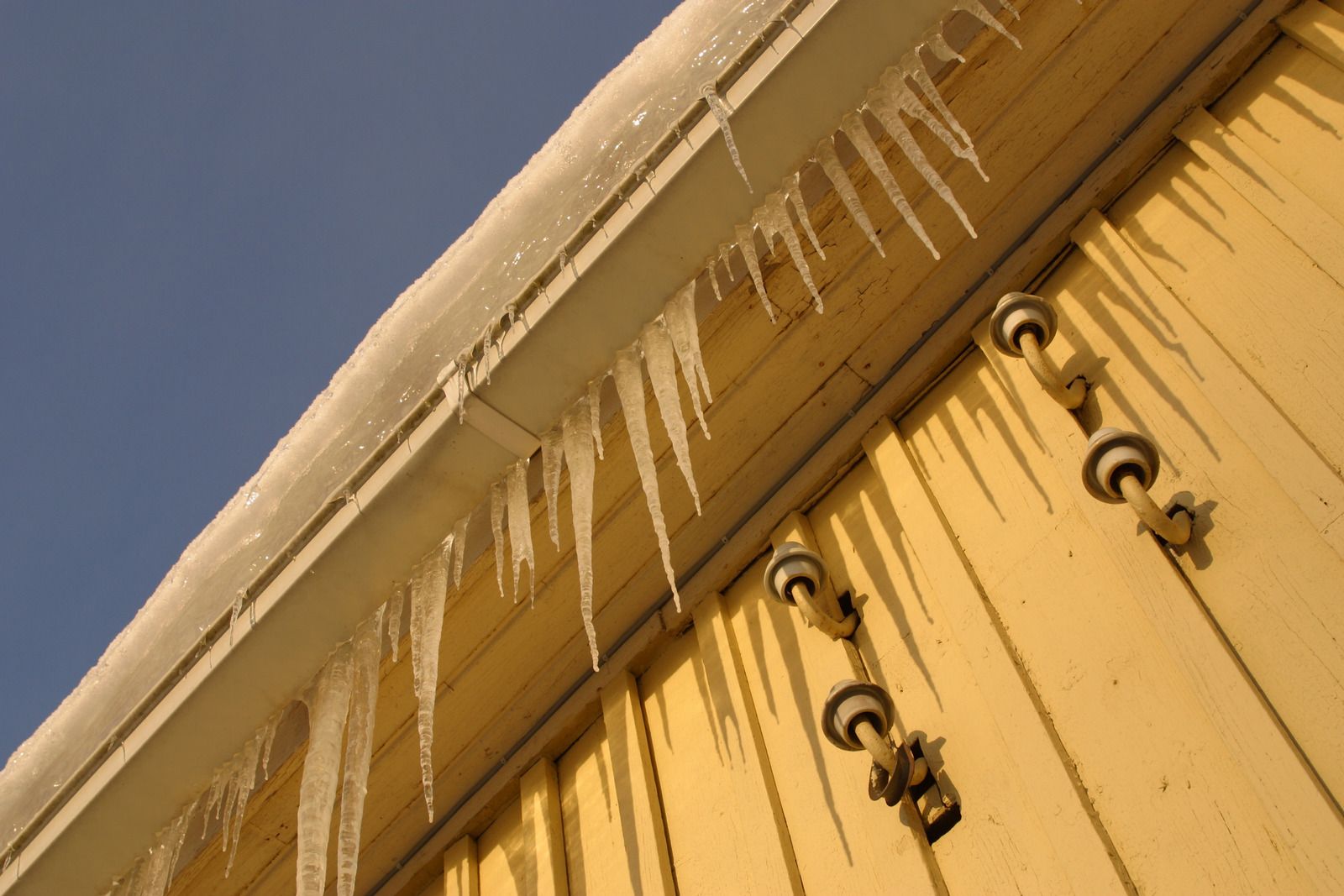
The first hard freeze after a January thaw usually brings them out. You step outside on a cold, clear morning and there they are, a row of icicles hanging off one stretch of gutter, glinting in the sun, kids probably wanting a photo. Twenty feet away, over the garage, the eave is bare. Same roof, same storm, same overnight low.
Same roof. Different attic underneath it.
Icicles don't form evenly across a roof by accident. They show up wherever water was actively running off and refreezing, which means they show up wherever the roof surface above them was warm enough to melt snow while the air around it sat below freezing. Figure out where that warmth is coming from, and the icicles have already told you most of what you need to know.
Why Icicles Mean Something Is Warming Your Roof
Snow doesn't melt in twenty-degree air on its own. For it to melt on a roof surface with the outdoor temperature well below freezing, something underneath that section of roof has to be pushing heat up through the deck and shingles faster than the cold air outside can carry it away. In most homes that heat is coming from the living space below, rising into the attic, and warming the underside of the roof from there.
A well-performing attic in a Minnesota winter stays close to outdoor temperature. Insulation on the attic floor keeps the house's heat where it belongs, and ventilation carries off whatever warmth does creep past it before it can build up under the roof deck. When that system is working, the roof deck stays close to ambient and snow sits on top of it without melting until the sun or a real thaw takes over. Icicles forming on a cold, sunny-side-down morning are a sign that somewhere, that balance isn't holding.
Location Tells You More Than the Icicles Do
This is the part most homeowners skip past. A quick glance says "icicles, roof's warm, insulation's bad." A closer look at where exactly they're forming narrows that down to something you can actually act on.
Icicles running the full length of one eave. This usually points to a broad problem across that whole section of attic, not one pinpoint leak. Insulation that's thin, unevenly distributed, or has settled and compressed over the years lets heat rise through the attic floor across a wide area, warming the whole roof deck above it fairly uniformly. If one side of the house has consistently heavier, longer icicle lines than the other every winter, that's usually the side where the insulation is worse or the attic floor has more gaps.
A dense, heavy cluster over a narrow stretch. This is a different signature entirely, and it usually points straight down at a single source rather than a general insulation shortfall. A bathroom exhaust fan that vents into the attic instead of straight outside dumps warm, humid air right at the roof deck, and you'll often find a matching cluster of icicles almost exactly above where that fan discharges. Recessed can lights that weren't sealed or insulated properly do something similar on a smaller scale, each one acting as a tiny heat source aimed straight up. An attic hatch or pull-down stair without a proper seal and insulated cover leaks a surprising amount of heat directly into the attic right above it.
Icicles that line up with rooms below. If you can walk the inside of the house and match icicle locations to specific rooms, a bathroom, the kitchen, a laundry closet, an upstairs hallway with a light fixture in the ceiling, that connection is rarely a coincidence. Kitchens and bathrooms generate the most warm, moist air in a house, and any unsealed penetration near them, a plumbing stack, an exhaust duct, a light fixture, gives that air a direct route into the attic. Most homeowners never think to check that connection at all, and it's usually the fastest way to narrow down a search.
Size and Growth Rate Are Diagnostic Too
Not every icicle means the same thing, even in the same location. A few thin, delicate icicles that show up once or twice a winter and mostly melt away between cold snaps usually mean a minor, occasional bypass, something worth noting but not urgent. Thick icicles that regrow fast after every thaw-freeze cycle, especially ones that come back in the same spot year after year, mean a real and consistent heat source is at work, not an occasional fluke.
Pay attention, too, to how quickly they show up relative to the rest of the roof. If icicles in one location start forming within an hour or two of a hard freeze, while the rest of the eave stays bare well into the evening, that section of roof deck is holding heat well above ambient. That's a meaningful gap, not a matter of one section catching a little more afternoon sun.
Icicles Aren't Automatically an Ice Dam
Icicles and ice dams get lumped together constantly, and they aren't the same thing. An icicle is just water that ran off the roof edge and refroze in the air. That can happen with a clear gutter and no blockage at all, nothing more than cold air meeting runoff. An ice dam is different: a ridge of ice that builds up right at the eave and starts backing water up under the shingles. You can have icicles without a dam forming behind them, especially early in the season or during a light melt. But a heavy, ridge-shaped buildup at the roofline behind the icicles changes things, shifting this from a heat-loss clue into something that needs more immediate attention..
Watch for the False Positive: Sun, Not Heat Loss
Before assuming every icicle points to an attic problem, rule out the sun. A south- or west-facing slope gets direct sunlight even on a cold day, and dark asphalt shingles absorb enough of that to warm well above the surrounding air temperature, melting snow with no help from the attic at all. That meltwater runs down and refreezes at the shaded eave or in the gutter the moment it loses direct sun, producing icicles that have nothing to do with what's happening underneath the roof deck.
The way to tell the difference is to compare similarly oriented sections of the roof to each other, not to the shady side of the house. If icicles show up consistently on the sunny slope but the shaded north side stays clean, that's more likely solar melt. If icicles show up on the shaded, north-facing side of the roof, where there's no direct sun to blame, that's a much stronger signal that attic heat is doing the work instead.
Tip: After the next freeze-thaw cycle, walk the outside of the house and take a few photos of exactly where icicles are forming relative to windows, vents, and roof features below them. That record, paired with which side of the house gets sun, gives whoever inspects the attic a real head start instead of a guess.
Soffit Vents and Why Blocked Intake Makes It Worse
Ventilation is supposed to work as a system. Cold air is meant to enter low, at the soffits under the eaves, travel up along the underside of the roof deck, and exit high, near the ridge, carrying off any heat that made it past the insulation before it can build up. When soffit vents are blocked, painted shut, or stuffed with insulation that was pushed too far toward the eave, that intake stops working, and warm air trapped under the roof deck has nowhere to go.
Icicles that cluster right around soffit vent locations, or right at the point where the eave overhang begins, can be a sign that this intake side of the system isn't doing its job. It's an easy detail to miss from the ground, since the vents themselves are tucked up under the eave. But it's one of the more common findings once someone actually gets a ladder up there and looks, and it gets missed constantly because nobody thinks to check the intake side at all.
Warning: Heavy, repeat icicle formation left unaddressed for several winters carries real cost beyond the icicles themselves. The gutters bearing that ice load are prone to sagging or pulling loose over time, and falling icicles from a second story are a genuine hazard to anyone walking underneath. The wasted heat driving the whole process is also money leaving the house every cold night it happens, on top of the physical risk, which is reason enough on its own to take a persistent pattern seriously rather than knocking icicles down and moving on.
What an Attic Inspection Actually Checks
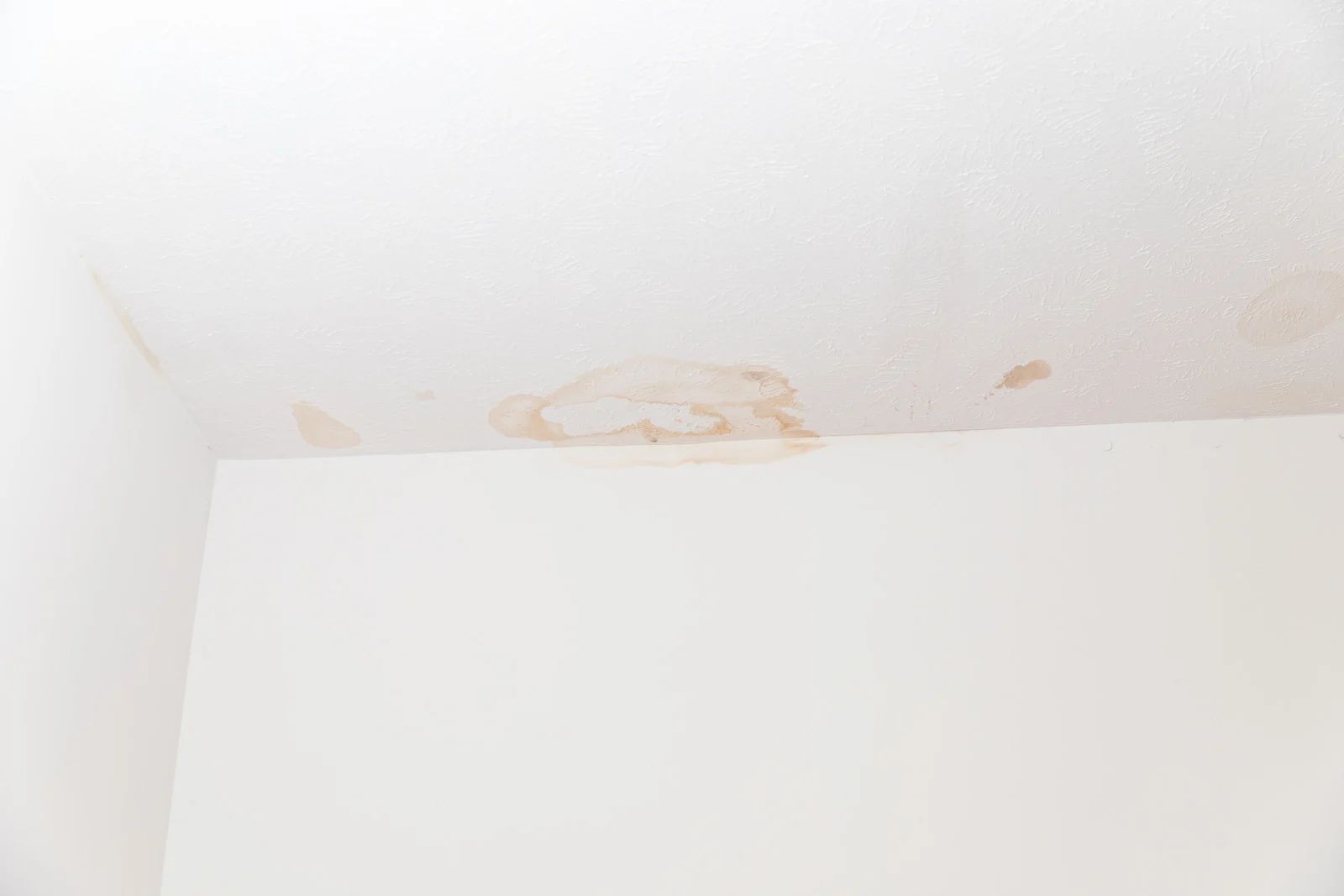
Reading icicle patterns from the ground gets you a working theory. Confirming it means looking at both sides of the roof deck. From outside, that means mapping exactly where the icicles and any related ice buildup sit relative to the house's layout below. From inside the attic, it means checking insulation depth and evenness across the whole floor, looking for frost or dark staining on the underside of the roof deck near suspected leak points, confirming bath and kitchen fans actually vent to the outside rather than into the attic space, and checking that soffit and ridge vents are clear and actually moving air the way they're supposed to.
Matching what the icicles showed from the ground to what the attic reveals up close is what turns a decent guess into an actual fix, one that addresses the specific bypass or insulation gap causing it rather than a general assumption that "the attic needs more insulation" when the real issue might be one unsealed hatch or a single misrouted fan.
Frequently Asked Questions
Do a few icicles always mean my attic has a heat loss problem?
Not necessarily. A handful of thin icicles that show up occasionally, especially on a sun-facing slope, can be a minor and largely harmless side effect of normal freeze-thaw cycles rather than a sign of significant heat escaping the attic. What matters more is whether the same heavy pattern repeats in the same spot every winter, since that consistency is what points to an actual, ongoing bypass rather than a one-off weather fluke.
Why do I get icicles on one side of my house and not the other?
Two different explanations produce this pattern, and telling them apart matters. If the icicle side also gets more direct sun during the day, solar heating of the shingles is a likely cause with little connection to the attic. If both sides get similar sun exposure but one still consistently ices up more, that side of the attic usually has thinner insulation, more air leaks, or a specific fixture, like a bath fan or light, driving the difference.
Can a well-insulated attic still get icicles?
Yes, mainly from solar melt on sun-exposed slopes, which has nothing to do with insulation quality. A well-insulated, well-ventilated attic should stay close to outdoor temperature on its own, so icicles forming on the shaded side of that same roof, where sun isn't a factor, are a more meaningful signal even in a home that seems otherwise well insulated.
Is it safe to knock icicles down myself?
Small icicles reachable from the ground with a roof rake or broom handle are usually fine to remove carefully from below. Climbing a ladder to chip at larger ones, or working near the roofline in icy conditions, isn't worth the fall risk, and knocking at ice near the roof edge can also damage shingles or gutters that are already under strain from the ice load. If the icicles are heavy or hard to reach safely from the ground, it's better to leave the removal to someone who can access the roof properly.
Do icicles mean I automatically have an ice dam too?
Not automatically. Icicles are simply water refreezing as it runs off the roof edge, which can happen without any ice dam behind them. A true ice dam is a ridge of ice built up right at the eave that starts forcing water back under the shingles. Check for a thick, raised ridge of ice at the roofline itself, not just hanging icicles, to know whether a dam is actually forming behind what you're seeing.
How do I know if a bathroom fan is causing icicles in one spot?
Go inside and find where that bathroom or laundry area's exhaust fan actually terminates. If you can access the attic, trace the ductwork from the fan housing to its exit point; a duct that just dumps into open attic space instead of running to a roof or wall vent outside is a common and often overlooked cause. A matching cluster of icicles almost directly above that fan's location is a strong sign this is exactly what's happening.
What Your Icicles Are Really Telling You
Icicles are easy to write off as a seasonal nuisance that disappears once spring arrives, but the pattern they leave behind carries real information about how your attic handles heat. A uniform line along one eave, a tight cluster above a bathroom, or a shaded slope that ices up while the sunny side stays bare each point toward a different cause. Noticing those details closely turns a winter annoyance into a clear picture of what sits beneath the roof deck.
Woodland Roofing & Exteriors, LLC
has spent 30
years across the Brainerd Lakes and Twin Cities regions of Minnesota connecting what appears along the eaves to what is actually happening in the attic above each room. Sometimes the source turns out to be a single unsealed hatch or a fan venting into open space, and other times it is insulation that has thinned across an entire slope. Either way, the icicles were pointing there all along, waiting for someone to read them.