How to Know When It’s Time to Replace Your Roof
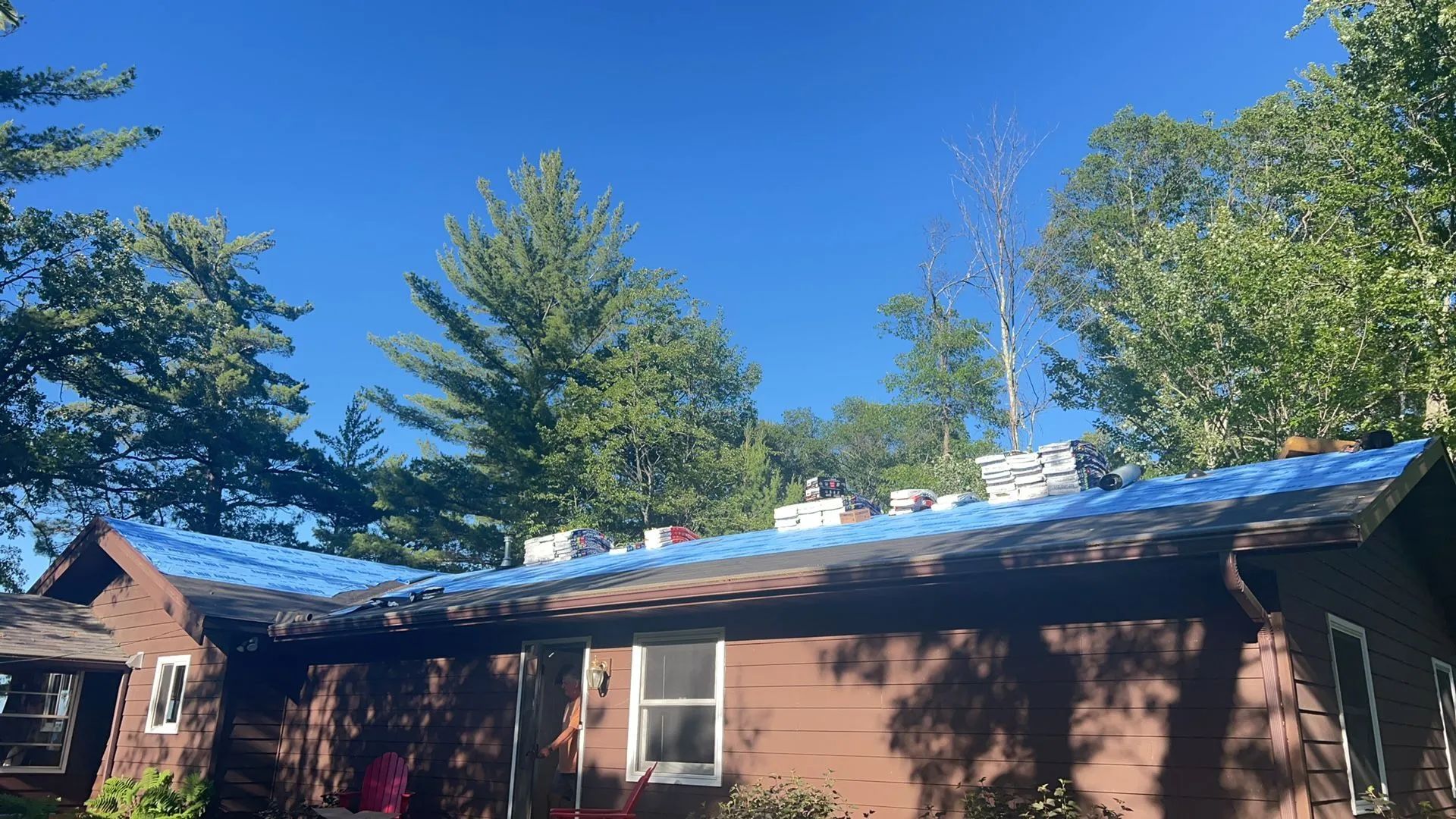
A roof plays a vital role in protecting any structure from external elements, yet its condition is often overlooked until visible problems become severe. Knowing when a roof needs replacement is essential for maintaining home safety and preventing costly structural damage. Roof systems protect against weather exposure, and even minor deterioration can escalate quickly if ignored. Early awareness of roofing issues helps preserve property value and reduces the likelihood of unexpected repair expenses.
Regular inspection habits and professional evaluation allow homeowners to identify warning signs before severe damage develops. Understanding roof performance indicators such as leaks, missing shingles, and aging materials supports informed decision-making. A proactive approach ensures durability, reduces long-term maintenance costs, and helps maintain structural integrity under varying weather conditions.
A well-timed roof replacement decision not only safeguards the building but also improves energy efficiency and indoor comfort. Recognizing the importance of roof health enables better planning and prevents emergency situations that can disrupt daily life and increase financial burden.
1. Warning Signs on Roof Surface
Visible Damage and Material Wear
Visible roof surface issues often provide the first indication that replacement may be necessary. Homeowners should carefully observe shingles for curling, cracking, or missing sections that expose underlying layers. These signs typically indicate aging materials that can no longer withstand environmental stress effectively. Granule loss on asphalt shingles is another common warning sign, often visible in gutters or downspouts. When protective granules wear away, shingles become more vulnerable to heat damage and moisture penetration.
Structural Surface Concerns
Homeowners may also notice uneven roof surfaces or sagging areas that suggest structural weakening beneath the roofing system. Regular visual inspections help identify these early warning signs before more extensive deterioration occurs. Addressing surface damage promptly reduces the likelihood of leaks and costly interior repairs. Consistent monitoring ensures roofing issues are detected early, supporting better maintenance decisions overall. Professional evaluation is recommended when multiple warning signs appear simultaneously on the roof surface. This helps determine whether repair options are sufficient or whether full replacement is the more reliable solution. Environmental factors such as heavy rainfall, strong winds, and temperature fluctuations can accelerate visible roof damage. Roofs exposed to repeated harsh weather conditions tend to show surface deterioration much earlier than expected. Understanding these patterns allows for timely intervention and better long-term roof performance management. Routine inspections, especially after storms, help prevent minor issues from developing into major structural concerns. Combining homeowner awareness with professional inspection services creates a more reliable maintenance strategy. Early detection of roof damage not only extends lifespan but also reduces unexpected financial burdens significantly. Maintaining consistent inspection routines ensures property protection, minimizes repair costs, and supports long-term roofing system reliability for homeowners throughout varying weather conditions and climates consistently reliably. Timely decisions regarding roof replacement help safeguard both structural integrity and property value over time effectively.
2. Age and Material Lifespan
Understanding Roof Age Limits
Roof age is one of the most reliable indicators of replacement necessity. Most roofing materials have a defined lifespan depending on quality and environmental exposure. Asphalt shingles typically last 20 to 30 years, while metal and tile systems can last significantly longer. When roofs approach or exceed their expected lifespan, replacement becomes more cost-effective than repeated repairs.
Material Degradation Over Time
Aging roofs often develop recurring issues such as leaks, shingle loss, and reduced weather resistance. These problems tend to worsen over time, especially under harsh weather conditions and seasonal changes. Homeowners may notice increased maintenance frequency as roofing materials begin to degrade. This is a strong sign that the roof is nearing the end of its functional lifespan. Professional assessment helps determine whether restoration or full replacement is necessary at this stage. Timely evaluation prevents unnecessary expenses and avoids structural risks associated with delayed decisions. Understanding material lifespan expectations allows homeowners to plan replacements proactively. Roofs that have surpassed their expected service life should be inspected more frequently. This reduces the risk of sudden failures during extreme weather events. Material fatigue can compromise structural integrity even when external signs appear minimal. Replacement decisions based on age data ensure long-term safety and efficiency. Proactive planning reduces emergency repair costs and improves overall property resilience. Combining age evaluation with professional inspection provides a comprehensive understanding of roof condition. Regular monitoring ensures timely replacement decisions that protect both structure and investment value under varying environmental conditions throughout the year ensuring long-term durability and financial stability for property owners consistently over time.
3. Interior Damage Indicators
Signs Inside the Home
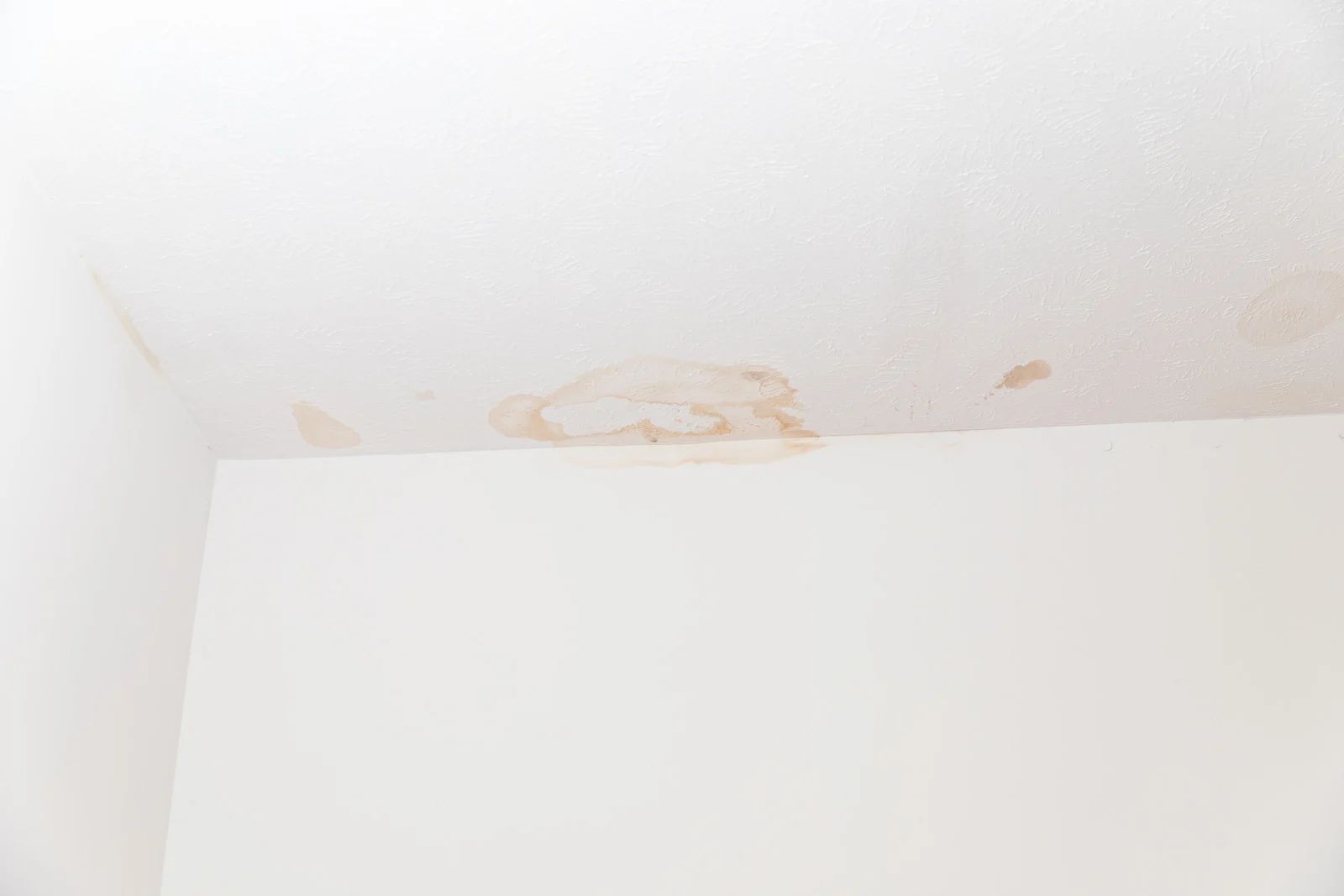
Interior signs of roof failure are often more serious than external indicators. Water stains on ceilings or walls are a common warning of roof leaks. These stains may appear as discoloration, bubbling paint, or peeling drywall surfaces. Moisture intrusion can lead to mold growth, which poses health risks and structural damage. Persistent leaks often indicate underlying roofing system failure that requires immediate attention.
Moisture and Structural Risks
Attic inspections may reveal damp insulation or visible daylight through roof boards. These conditions suggest compromised roofing materials and potential structural weakening. Ignoring interior damage can significantly increase repair costs over time. Early detection helps prevent extensive restoration work inside the home. Professional inspections are recommended when interior signs begin to appear frequently. Roof replacement becomes necessary when interior damage persists despite repeated repairs. Consistent moisture exposure weakens structural components and reduces overall building integrity. Homeowners should not ignore subtle signs such as musty odors or humidity buildup. These indicators often signal hidden roofing issues requiring immediate evaluation. Timely action reduces long-term structural damage and improves safety outcomes. Addressing interior damage early prevents escalation into major renovation requirements. Roof leaks often travel along beams and surfaces, making detection challenging without professional evaluation. Combining interior and exterior assessments ensures a complete understanding of roof health. Delayed response to interior roof damage can result in significant structural deterioration and higher restoration costs. Consistent monitoring and professional inspections help identify issues early, ensuring timely replacement decisions that protect both safety and property value under changing environmental conditions while maintaining long-term durability and reducing unexpected maintenance burdens consistently through proactive evaluation and consistent inspection practices across all seasonal weather conditions for property protection and financial stability over time ensured.
4. Repair vs Replacement Decision Factors
Evaluating Damage Extent
Deciding between roof repair and full replacement requires careful evaluation of multiple factors. Extent of damage is the primary consideration in determining the appropriate solution. Localized issues such as small leaks or missing shingles may often be repaired. However, widespread deterioration usually indicates the need for complete roof replacement.
Cost, Safety, and Long-Term Value
Cost analysis plays an important role in making informed roofing decisions. Repeated repairs over time may become more expensive than a single replacement. Structural integrity should always be assessed before deciding on repairs or replacement. A roof with compromised decking or support systems often requires full replacement. Insurance coverage may influence the decision-making process depending on damage type. Energy efficiency improvements can also justify a complete roof upgrade. Homeowners should consider long-term benefits rather than short-term savings alone. Weather patterns and environmental exposure significantly impact roof lifespan. Professional assessment ensures accurate identification of repair or replacement needs. Safety concerns should never be ignored when evaluating roof condition. Timely action helps prevent escalation of minor issues into major structural failures. Balancing cost, safety, and durability ensures the most effective roofing decision. Delaying replacement decisions can result in higher repair costs and structural risks. Comprehensive inspection reports provide clarity on roof condition and required actions. Combining repair feasibility analysis with professional inspection results ensures accurate decision-making. This approach helps balance cost efficiency, structural safety, and long-term performance expectations under varying environmental conditions and seasonal weather impacts while ensuring financial prudence and property protection over time supported by ongoing maintenance and proactive evaluation strategies to ensure sustainable roofing system performance and resilience across diverse property conditions and long-term environmental exposure scenarios effectively ensuring reliable and informed outcomes.
Recognizing Hidden Damage That Signals Roof Replacement
We deliver trusted roofing solutions backed by decades of hands-on experience in residential and commercial roofing services. Our approach is centered on providing durable, high-performance roofing systems that enhance safety, energy efficiency, and long-term structural protection. Careful roof evaluation allows us to identify issues early and recommend solutions that prevent costly damage while ensuring lasting reliability.
Every project is handled with detailed assessment, precision craftsmanship, and a strong commitment to long-term performance outcomes. We focus on delivering roofing solutions that are built to withstand changing environmental conditions and seasonal challenges while maintaining structural integrity and visual appeal. Our expertise supports homeowners in making informed decisions about roof repair or replacement based on accurate inspections and proven industry knowledge.
Clear communication and dependable service remain central to our process, ensuring confidence at every stage of roofing work. With a strong commitment to quality and durability, we continue to deliver results that support safety, comfort, and financial stability for every property we serve.
Woodland Roofing & Exteriors, LLC
proudly serves the Brainerd Lakes and Twin Cities regions of Minnesota with over 30
years of experience, providing reliable roofing solutions trusted by property owners seeking long-term protection and value.