Metal vs. Steel Roofing: Which Option is Right for Your Home?
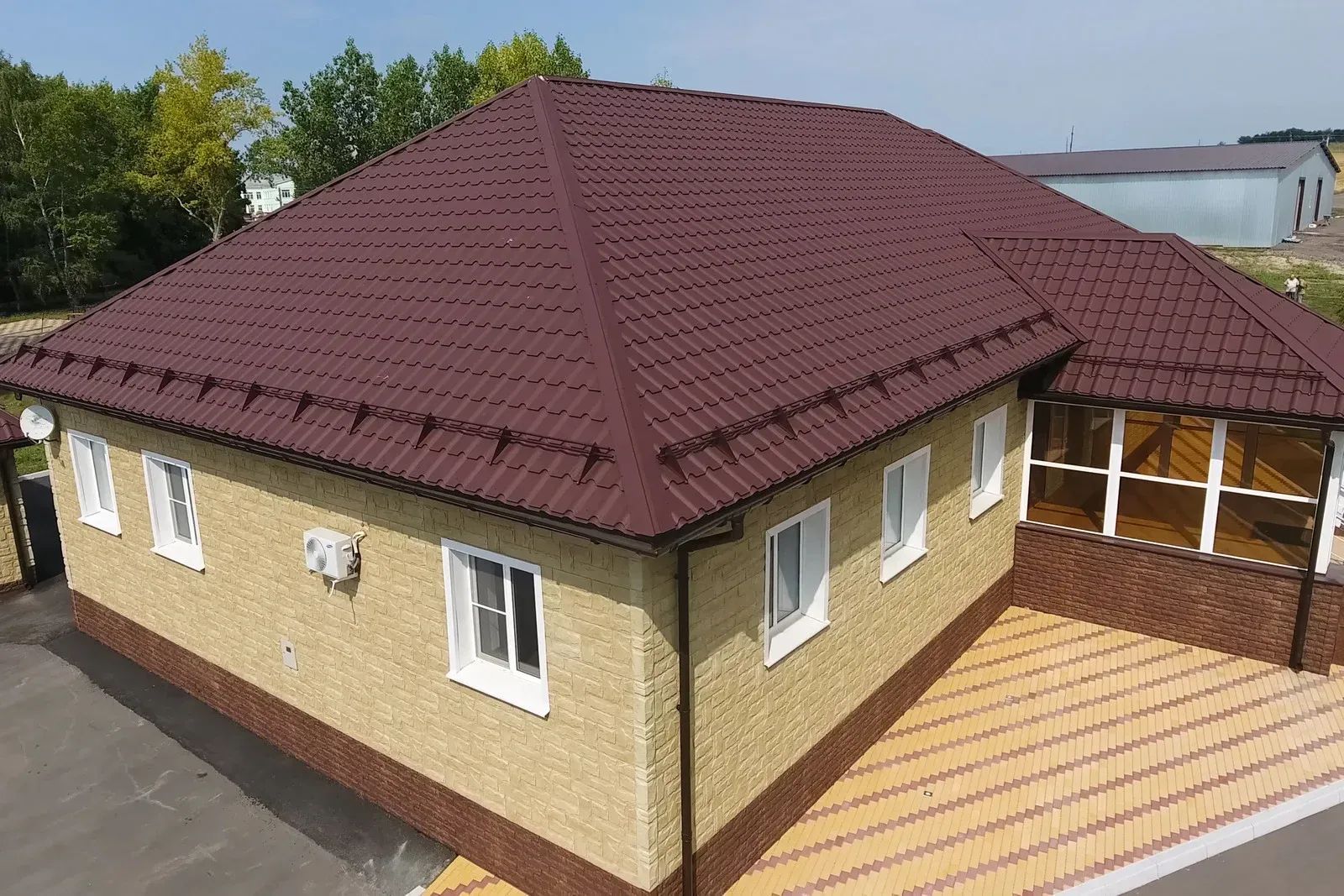
Choosing the right roofing material is a critical decision for homeowners, affecting not only the aesthetic appeal of your home but also its durability, energy efficiency, and long-term maintenance costs. With an ever-growing variety of roofing options, it’s easy to feel overwhelmed by choices. Among the most popular and reliable options available today are metal and steel roofing systems. Both offer distinct advantages and have become go-to solutions for homeowners looking to invest in a long-lasting roof. Making the right choice can also influence your home’s resale value, insurance premiums, and overall comfort, making this decision even more important. Understanding the specific characteristics of each option ensures that your investment provides maximum protection and performance over the years.
Metal roofing, as a broad category, includes materials like aluminum, copper, zinc, and steel. Steel roofing, while technically a subset of metal roofing, has unique properties that make it stand out. This blog will explore the nuances between metal and steel roofing, weighing their benefits, drawbacks, costs, and performance characteristics. By providing actionable insights, real-world examples, and expert reasoning, this guide aims to help homeowners navigate the decision-making process confidently and make a choice that enhances their home’s protection, efficiency, and overall value. Additionally, we’ll discuss design flexibility, energy savings, and maintenance considerations to give a comprehensive view that caters to both practical needs and aesthetic preferences.
Understanding Metal Roofing
What is Metal Roofing?
Metal roofing refers to any roofing system composed primarily of metal materials, designed to provide durable and long-lasting protection against the elements. Common metals used include aluminum, copper, zinc, and steel. Each metal offers unique properties that influence its durability, appearance, and maintenance requirements.
Types of Metal Roofing
- Aluminum Roofing: Lightweight and resistant to corrosion, ideal for coastal regions.
- Copper Roofing: Offers unmatched aesthetic appeal and longevity but comes at a higher price point.
- Zinc Roofing: Known for its natural patina and corrosion resistance, zinc roofs can last over a century in some climates.
- Steel Roofing: The most widely used metal roofing material, offering strength, affordability, and versatility in style and finish.
Benefits of Metal Roofing
- Longevity: Metal roofs can last 40–70 years, depending on material and maintenance.
- Energy Efficiency: Reflective surfaces reduce heat absorption, lowering cooling costs.
- Weather Resistance: Metals withstand wind, hail, snow, and rain far better than traditional asphalt shingles.
- Environmentally Friendly: Many metal roofs are made from recycled materials and are 100% recyclable at the end of their lifespan.
Challenges of Metal Roofing
- Cost: Upfront costs can be higher than conventional roofing materials.
- Noise: Rain and hail can create more noise unless proper insulation is installed.
- Expansion and Contraction: Temperature fluctuations can cause metal panels to expand and contract, potentially leading to fastener issues if not properly installed.
Deep Dive into Steel Roofing
What Sets Steel Roofing Apart?
Steel roofing is a specific type of metal roofing crafted from steel panels coated with protective layers, such as galvanized or galvalume finishes, to resist corrosion. It is recognized for its exceptional strength, affordability, and adaptability to various home designs.
Types of Steel Roofing
- Galvanized Steel: Coated with zinc for corrosion resistance; ideal for harsh weather conditions.
- Galvalume Steel: A steel sheet coated with an alloy of aluminum and zinc for superior durability and rust protection.
- Painted or Coated Steel Panels: Available in multiple colors and textures, allowing for aesthetic customization while maintaining strength.
Advantages of Steel Roofing
- Durability: Can withstand extreme weather events including high winds and heavy snow loads.
- Fire Resistance: Steel is non-combustible, providing excellent fire protection.
- Low Maintenance: Requires minimal upkeep compared to other roofing materials.
- Cost-Effective: Offers long-term value with lower initial investment compared to premium metals like copper or zinc.
Limitations of Steel Roofing
- Weight: Heavier than aluminum and may require additional structural support.
- Potential for Rust: If protective coatings are damaged, steel can corrode over time.
- Aesthetic Limitations: While versatile, steel may not match the luxurious look of metals like copper.
Comparing Performance Metrics
Durability and Lifespan
Metal roofing in general provides exceptional longevity, but steel roofing is often preferred for areas with harsh weather due to its structural strength. Steel panels typically last 40–60 years with proper maintenance, while other metals like copper and zinc can last even longer but at a significantly higher cost.
Energy Efficiency
Both metal and steel roofing can be coated with reflective finishes to improve energy efficiency. Reflective coatings reduce heat absorption, lowering air conditioning costs during summer months. Steel roofing with a reflective paint finish has demonstrated energy savings of up to 25% in some residential applications.
Weather Resistance
Steel roofing performs exceptionally well in heavy snow, high winds, and hail-prone areas. Aluminum and zinc also provide strong protection, but steel’s higher tensile strength gives it an edge in regions prone to severe storms. Additionally, steel roofs can be designed with interlocking panels to reduce the risk of leaks.
Maintenance Requirements
While metal roofs are generally low-maintenance, steel roofs require periodic inspection of coatings and fasteners to prevent corrosion. Aluminum and zinc require less attention, as they naturally resist rust and oxidation. Homeowners should schedule annual inspections regardless of the metal type to maximize lifespan.
Cost Considerations
Upfront Costs
- Metal Roofing: Costs vary widely depending on the metal, ranging from $7 to $20 per square foot. Copper and zinc are at the higher end, while aluminum and steel are more affordable.
- Steel Roofing: Generally costs between $8 and $12 per square foot, making it a cost-effective metal option without sacrificing durability.
Long-Term Value
Steel roofing offers strong long-term value due to its combination of durability, low maintenance, and energy efficiency. While premium metals may offer extended lifespan, the return on investment is balanced by their higher initial cost.
Installation Costs and Complexity
Metal roofs require specialized installation to prevent leaks, ensure proper expansion, and maintain warranty coverage. Steel panels are relatively straightforward to install for experienced contractors, whereas materials like copper may require custom fabrication and labor-intensive installation.
Financing and Insurance Impacts
Investing in a metal or steel roof can also positively impact homeowners insurance premiums, as many insurers offer discounts for fire-resistant, wind-resistant, and hail-resistant roofing materials. Financing options, such as home improvement loans or energy-efficiency rebates, can also make metal and steel roofs more accessible.
Aesthetic and Design Flexibility
Style Options
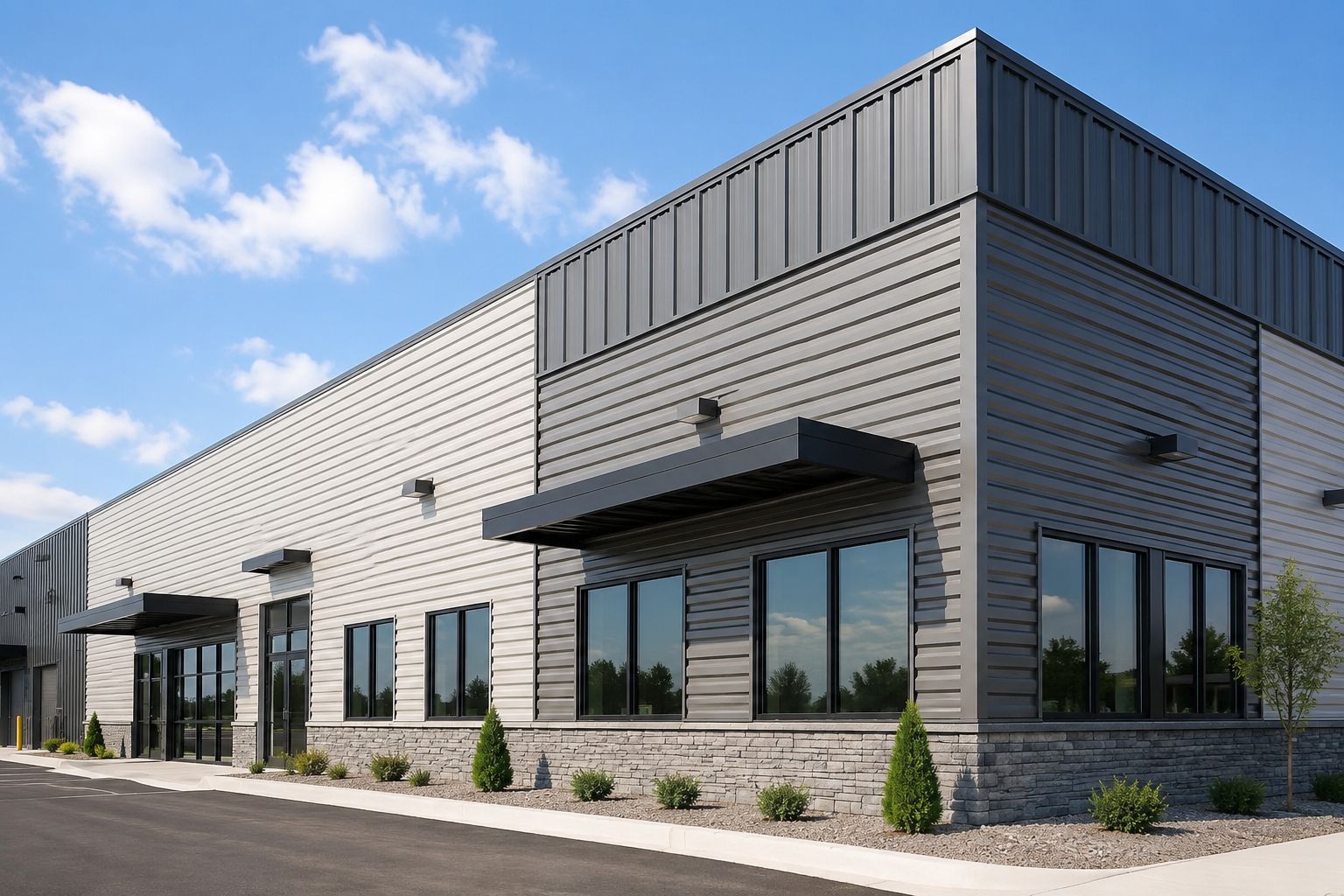
Metal and steel roofs come in a wide variety of styles, from traditional standing seam panels to shakes, shingles, and tiles that mimic slate or clay. This flexibility allows homeowners to match their roofing choice to architectural style and personal taste.
Color Choices
Both metal and steel roofing panels are available in multiple color finishes, including matte, glossy, and textured coatings. Steel roofing with a pre-painted finish offers consistent color and longevity, reducing the likelihood of fading over time.
Real-World Applications
- Modern Homes: Sleek standing seam steel panels complement contemporary architecture.
- Traditional Homes: Metal shingles designed to mimic cedar or slate enhance classic styles while maintaining durability.
- Coastal Properties: Aluminum and coated steel resist corrosion from salt air, maintaining appearance and structural integrity.
Customization and Accessories
Roofing accessories such as ridge caps, trim, and ventilation systems can be customized to match both metal and steel roofs, ensuring cohesive aesthetics and improved performance. Homeowners seeking a premium look with steel roofing can combine painted finishes with textured panels for a designer-quality appearance.
Making the Decision
Assessing Your Climate and Environment
The first step in choosing between metal and steel roofing is understanding your regional climate. Steel roofing is ideal for areas with heavy snowfall, high winds, or severe storms due to its structural strength. Coastal or humid regions may benefit from aluminum or coated steel to prevent corrosion.
Evaluating Budget and Long-Term Goals
Homeowners should weigh upfront costs against long-term savings. While premium metals may last longer, steel roofing provides a balanced approach of affordability, durability, and energy efficiency.
Consulting Experts
Engaging a professional roofing contractor with experience in metal and steel installations ensures proper selection, installation, and maintenance. Experts can assess your roof’s structural capacity, recommend the best coatings, and provide warranty-backed solutions for peace of mind.
Final Recommendations
- Steel Roofing: Recommended for homeowners seeking strength, affordability, and long-term reliability.
- Other Metal Roofing: Best suited for those prioritizing aesthetics, specialized applications, or extremely long lifespans.
Trusted Experts Providing Long-Lasting Roofing Solutions
Choosing between metal and steel roofing involves careful consideration of durability, aesthetics, energy efficiency, and budget. While both options offer impressive longevity and weather resistance, steel roofing stands out as a versatile and cost-effective solution for most homeowners, especially in areas prone to severe weather. Premium metals like copper or zinc provide exceptional durability and luxury appeal but come at a higher price point. Ultimately, the right choice depends on your home’s design, regional climate, and long-term goals.
For homeowners in the Brainerd Lakes and Twin Cities regions of Minnesota, Woodland Roofing & Exteriors, LLC
has over 30
years of experience providing expert guidance and professional roofing solutions. Our team specializes in evaluating your property, recommending the most suitable roofing options, and delivering flawless installations using top-quality materials. Trusted by countless homeowners, Woodland Roofing & Exteriors, LLC
combines technical expertise, reliable service, and personalized attention to ensure your metal or steel roof not only enhances your home’s appearance but also provides decades of protection and peace of mind.