Early Warning Signs of Roof Damage Every Property Owner Should Know
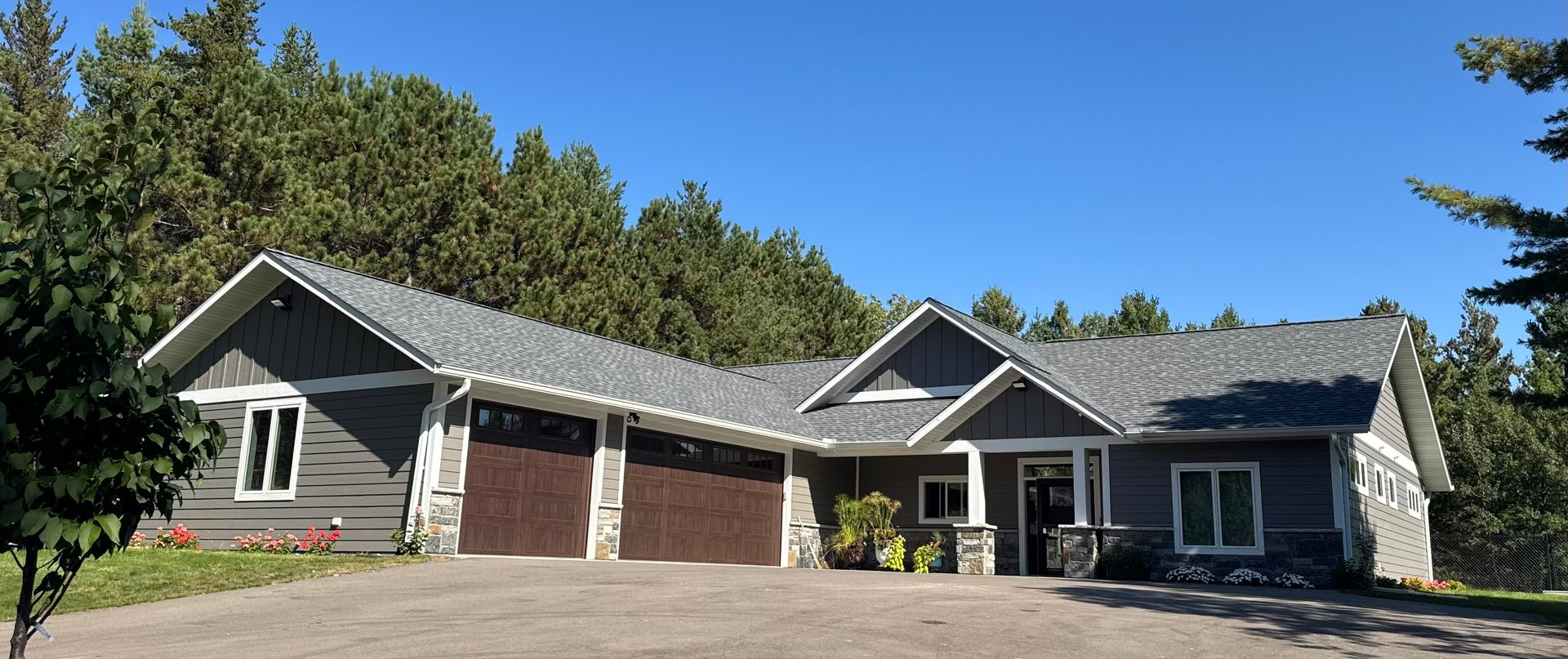
The roof of any property is more than just a protective barrier against the elements; it is an essential component that preserves the structural integrity and value of your home or commercial building. Despite its importance, roof maintenance is often overlooked until a serious issue arises. Many property owners only realize the extent of damage when leaks appear, shingles fall off, or costly repairs become unavoidable. Recognizing the early warning signs of roof damage is crucial to preventing extensive problems, safeguarding your investment, and ensuring the safety of those inside the property. By proactively identifying potential issues, property owners can address minor damages before they escalate into major, costly repairs.
Understanding roof health requires awareness of both visible and subtle indicators that may suggest underlying problems. From water stains and sagging areas to damaged shingles and gutter debris, early signs often appear well before a roof’s failure becomes critical. Familiarity with these signs, coupled with timely inspections and maintenance, empowers property owners to make informed decisions about repairs or replacements. This blog will provide a comprehensive guide on the early warning signs of roof damage, offering practical insights, real-world examples, and actionable tips to help property owners maintain a durable, long-lasting roof.
1. Visible Shingle Damage
Cracked, Curling, or Missing Shingles
One of the most obvious signs of roof damage is visible deterioration of shingles. Shingles that are cracked, curling, or missing not only compromise the aesthetic appeal of a roof but also reduce its ability to protect against water infiltration. Environmental factors such as strong winds, hail, and prolonged exposure to the sun can weaken shingles over time. In some cases, older shingles lose granules, which can appear as dark streaks or patches on the roof surface.
Actionable Insight: Property owners should perform routine inspections at least twice a year—preferably in spring and fall—to identify shingle issues early. Replacement of damaged shingles should be prompt to prevent water penetration and structural damage.
Granule Loss
Shingle granules provide an essential layer of protection against UV rays and weather damage. Significant granule loss can accelerate deterioration, making the roof more susceptible to leaks. Granules often accumulate in gutters, downspouts, or around the base of the home.
Real-World Example: A homeowner in Minnesota noticed black granules in their gutters after a heavy storm. Upon inspection, several shingles were missing, exposing the underlayment. Early intervention prevented further water damage to the attic structure.
2. Water-Related Issues
Interior Water Stains
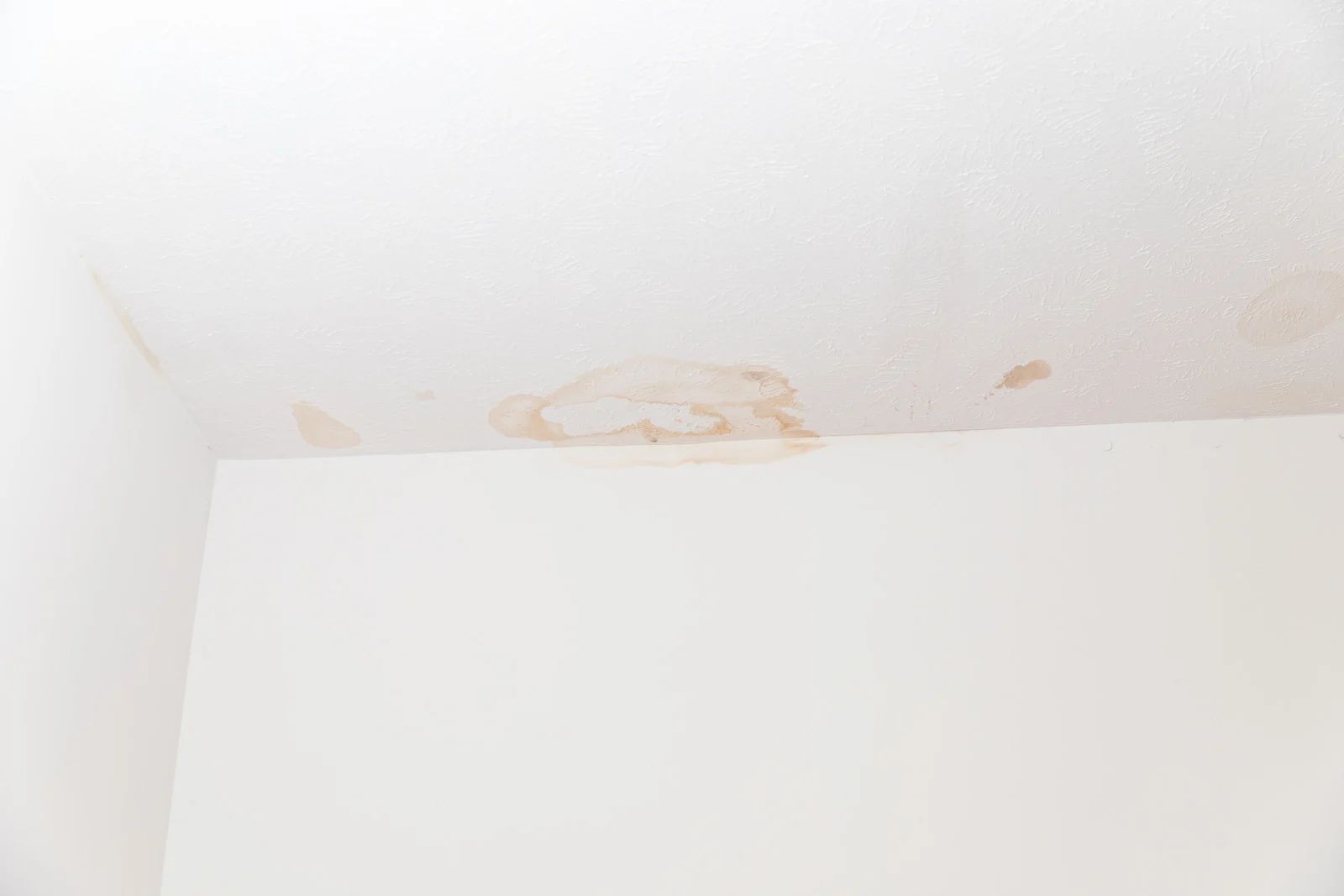
Water stains on ceilings or walls are a clear indication of roof leakage. While minor leaks may appear as small discolorations, untreated leaks can lead to mold growth, wood rot, and weakened structural components. Identifying water stains early allows property owners to trace the source and address it before more extensive damage occurs.
Mold and Mildew Growth
Persistent moisture from leaks creates the perfect environment for mold and mildew. Mold not only damages roofing materials but also poses health risks to occupants. Mold often manifests in corners of attics, ceilings, or behind walls near the roofline.
Best Practice: Regular attic inspections help detect moisture intrusion. Look for damp spots, unusual odors, or visible mold. Installing proper ventilation can reduce the risk of mold while extending the roof's lifespan.
Leaks Around Roof Penetrations
Chimneys, vents, skylights, and other roof penetrations are common leak points. Poor flashing installation, deterioration, or weather-related damage can allow water to seep into the roof system.
Expert Reasoning: Even small leaks can compromise insulation and structural supports. Inspecting these vulnerable areas during routine maintenance helps prevent costly repairs and water damage.
3. Structural Concerns
Sagging Roof Deck
A sagging roof deck indicates weakened structural integrity, often due to prolonged water damage or compromised support beams. Unlike minor surface issues, sagging is a serious warning that requires immediate professional attention.
Actionable Insight: Property owners should look for uneven rooflines, dips, or bulging areas. Any noticeable sagging is a signal to call a licensed roofing contractor promptly.
Damaged or Rusted Flashing
Flashing seals roof joints and prevents water intrusion. Damaged, rusted, or improperly installed flashing can lead to leaks around chimneys, vents, or skylights. Regular inspections help identify problems before water penetrates the underlying structure.
Real-World Scenario: In one case, a commercial property in Brainerd Lakes, Minnesota, experienced slow leaks traced back to corroded flashing around multiple skylights. Timely replacement avoided significant interior damage and business downtime.
Roof Sag Due to Snow or Ice
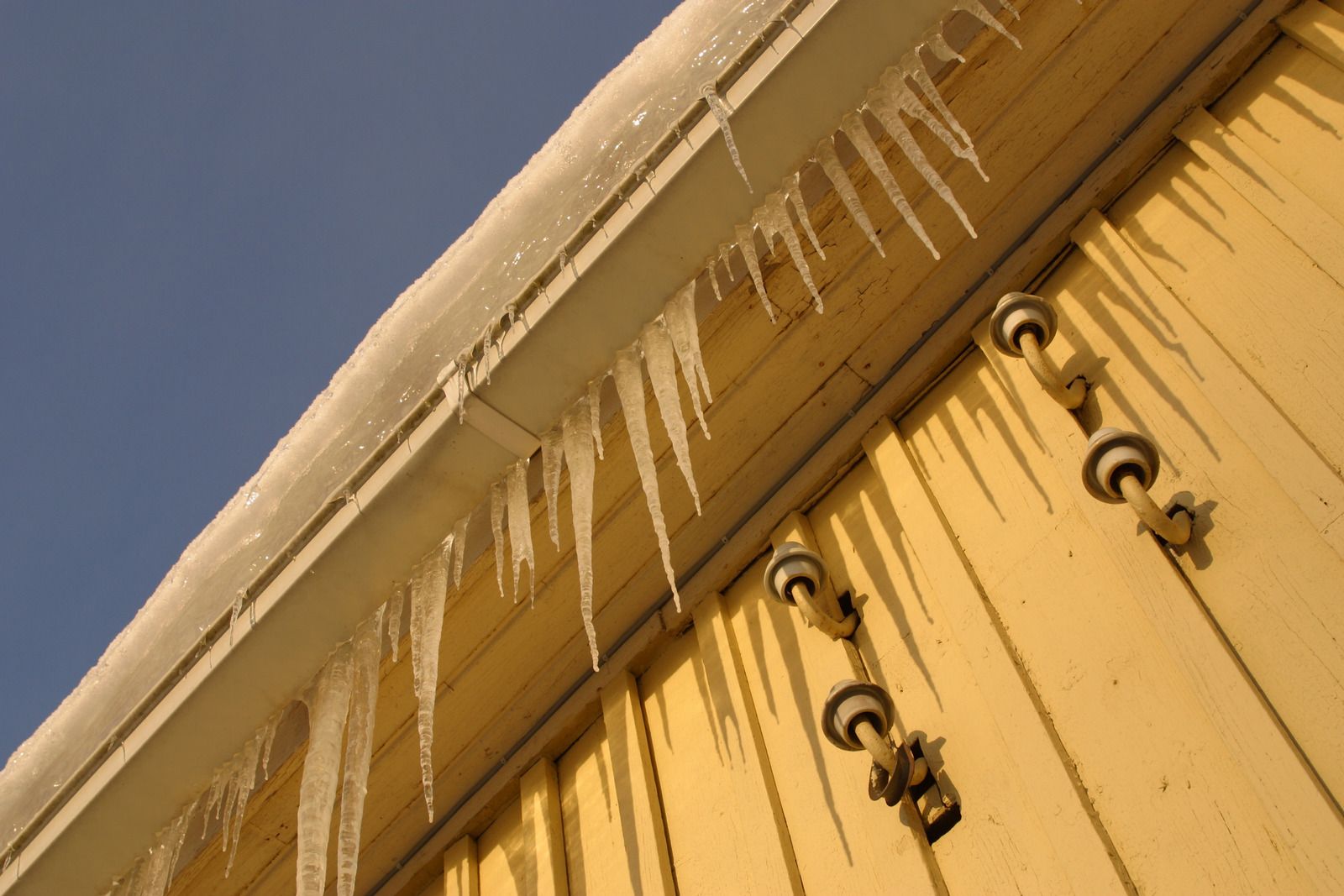
In colder climates, snow and ice accumulation can add extreme weight, causing sagging or stress fractures. Ice dams form when melting snow refreezes at the eaves, trapping water beneath shingles.
Best Practice: Ensure proper insulation and ventilation in attics to minimize ice dams. Removing excessive snow promptly can prevent structural strain and water infiltration.
4. Gutter and Drainage Problems
Overflowing or Clogged Gutters
Gutters that consistently overflow after rain indicate potential roof issues. Blockages can cause water to back up under shingles, leading to leaks and fascia damage.
Actionable Tip: Regularly clean gutters and inspect for debris accumulation. Consider installing gutter guards to reduce maintenance frequency.
Damaged Fascia and Soffits
Fascia and soffits support gutters and protect roof edges. Water damage from overflowing gutters can cause wood rot, paint peeling, or weakened supports. Early identification of damaged fascia and soffits prevents further structural compromise.
Expert Advice: Schedule inspections during seasonal changes. Prompt replacement or repair of affected fascia and soffits safeguards both the roof and the property’s exterior.
5. Signs of Aging and Weather Wear
Discoloration and Stains
Roof discoloration may indicate algae, moss, or lichen growth. While these growths are primarily cosmetic, they can trap moisture and accelerate shingle deterioration.
Actionable Insight: Use zinc or copper strips along the ridge to inhibit growth, and clean roof surfaces with approved treatments.
Shingle Granule Loss and Bald Spots
Aging roofs often show bald spots where granules are missing. These areas are more vulnerable to UV damage and water infiltration, signaling the need for repair or replacement.
Wind and Storm Damage
High winds, hailstorms, or falling debris can damage shingles, flashings, and underlayment. Missing shingles, cracked tiles, or punctured membranes are all indicators of storm-related damage.
Real-World Scenario: After a severe hailstorm, a homeowner observed multiple punctured shingles. Addressing the damage promptly prevented leaks during subsequent rainstorms and extended the roof's life.
6. Energy Efficiency and Interior Changes
Rising Energy Bills
An aging or damaged roof may compromise insulation, allowing heat to escape in winter or enter during summer. Unexpected spikes in energy bills can indicate roof-related issues affecting HVAC efficiency.
Best Practice: Inspect attic insulation and ventilation when noticing increased energy costs. Sealing leaks and repairing roof damage can restore energy efficiency.
Temperature Fluctuations and Drafts
Drafts or inconsistent temperatures inside the property often point to gaps in roofing or attic insulation. Roof leaks and damaged underlayment can exacerbate energy loss and indoor discomfort.
Interior Condensation
Excess condensation inside ceilings or attics can indicate poor roof ventilation or water intrusion. Unaddressed condensation leads to mold growth and wood decay, further damaging roof structures.
Expert Reasoning: Proper ventilation and insulation work together to maintain a dry, energy-efficient interior while protecting roofing components.
Critical Considerations When Inspecting Roof Damage Early
Proactively monitoring your roof for early warning signs of damage is essential for maintaining the integrity, safety, and value of your property. From visible shingle deterioration and water intrusion to structural sagging and drainage problems, the indicators outlined in this guide provide property owners with actionable insights to prevent minor issues from escalating into costly repairs. Regular inspections, attentive maintenance, and timely repairs are key strategies to extend the lifespan of any roof, mitigate risks, and safeguard both the property and its occupants. Recognizing subtle changes—such as rising energy bills, drafts, or condensation—can also highlight less obvious but equally critical issues that require professional attention.
Understanding these warning signs enables property owners to make informed decisions about roof care, whether it involves patching damaged shingles, replacing flashings, addressing structural sagging, or improving insulation and ventilation. Preventive maintenance not only reduces repair costs but also enhances the overall safety and efficiency of your property. The real-world scenarios presented emphasize the importance of acting promptly when early damage is detected, showing how professional intervention can save time, money, and stress.
At Woodland Roofing & Exteriors, LLC, we have spent the past 30 years serving the Brainerd Lakes and Twin Cities areas of Minnesota, helping property owners protect their homes and businesses with high-quality roofing solutions. Our team specializes in comprehensive roof inspections, timely repairs, and proactive maintenance strategies designed to identify early warning signs before they escalate. With decades of experience, we understand the local climate challenges and tailor our services to ensure every roof remains durable, energy-efficient, and weather-resistant. Whether you are addressing minor shingle damage or require a complete roof replacement, we provide trusted,
professional, and reliable roofing services that prioritize your property’s safety and long-term value. Our commitment to excellence, transparency, and expertise ensures that every client receives the highest standard of care, giving you peace of mind that your roof—and your investment—are in capable hands.