How to Choose the Right Commercial Roofing System for Your Property
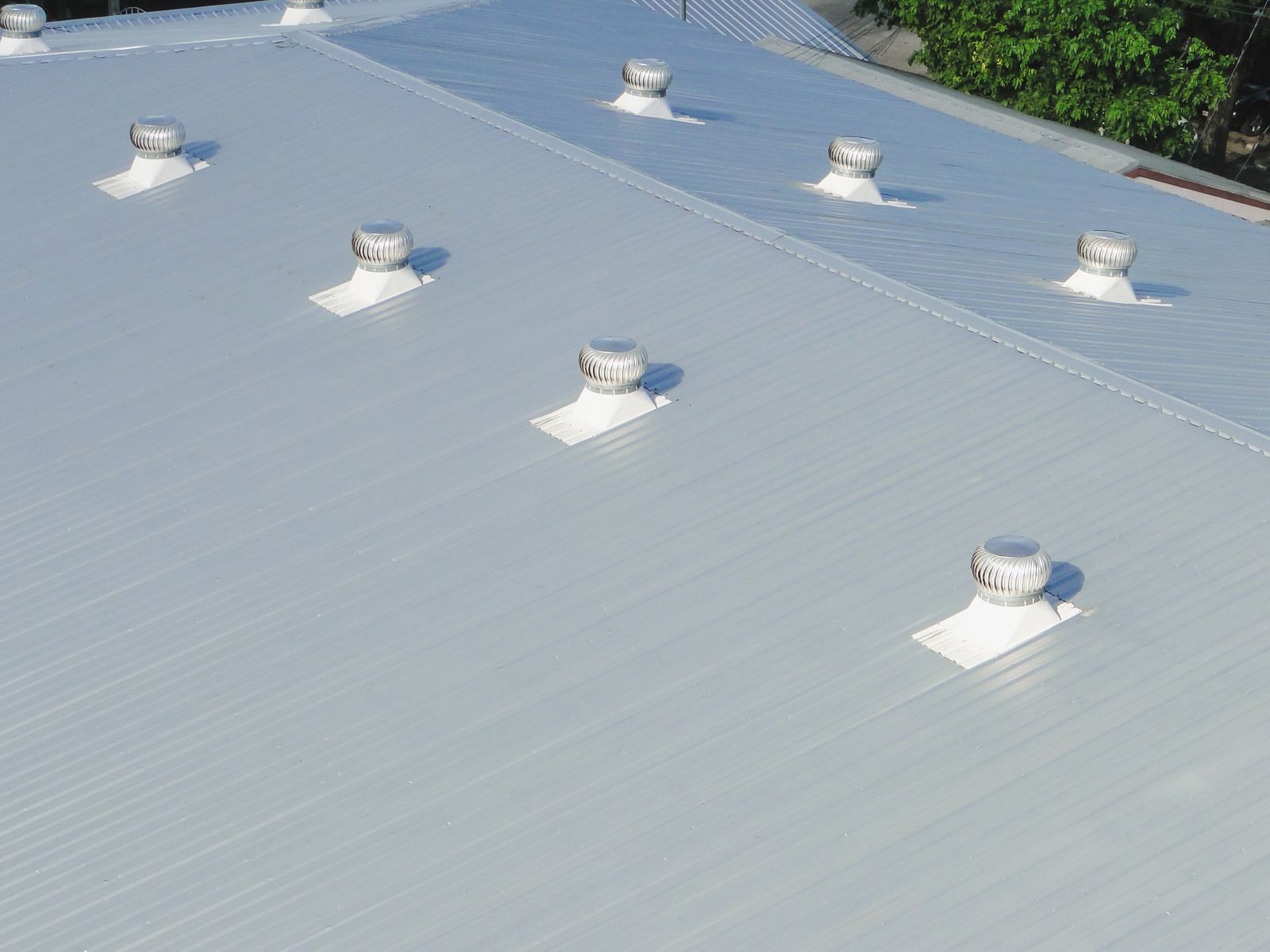
Selecting the right commercial roofing system is one of the most critical decisions a property owner can make. Unlike residential roofing, commercial roofs often span larger areas, endure heavier traffic, and are subjected to unique environmental challenges such as extreme weather, heavy snow loads, and high exposure to UV rays. A well-chosen roofing system not only protects your property and occupants but also contributes to energy efficiency, reduces maintenance costs, and enhances the overall value of your commercial investment. The market today offers a wide range of materials, technologies, and designs, making the selection process both complex and highly strategic.
Understanding the nuances of commercial roofing systems is essential for making informed decisions that balance durability, cost, and functionality. From single-ply membranes to built-up roofing, each system comes with its own set of benefits and limitations, which must align with the specific demands of your property. Whether you manage office complexes, warehouses, retail establishments, or industrial facilities, identifying the right roofing solution requires careful consideration of structural requirements, climate conditions, and long-term maintenance expectations. In this guide, we’ll break down the key factors, options, and best practices that can help you choose a commercial roofing system designed to last and perform optimally for years to come.
One of the primary reasons homeowners choose asphalt shingles is their durability. High-quality asphalt shingles can withstand harsh weather conditions, including heavy rain, snow, and wind. Many shingles come with protective coatings that resist algae growth, UV damage, and fading, ensuring your roof maintains both performance and appearance over time. With proper installation and maintenance, an asphalt shingle roof can last 20 to 30 years, providing long-term protection for your home.
1. Assessing Your Property’s Requirements
Understanding Roof Structure and Load Capacity
Before selecting a roofing system, it’s essential to evaluate your building’s structure. Commercial roofs vary in type, from flat to low-slope to steep-pitched configurations. Flat and low-slope roofs are common in warehouses and retail spaces, whereas pitched roofs are often seen in office buildings or commercial complexes with architectural aesthetics. Assessing load-bearing capacity is critical, particularly if you plan to install rooftop equipment such as HVAC systems, solar panels, or green roofing elements. Exceeding the structural capacity can compromise safety and lead to costly repairs.
Evaluating Climate and Environmental Factors
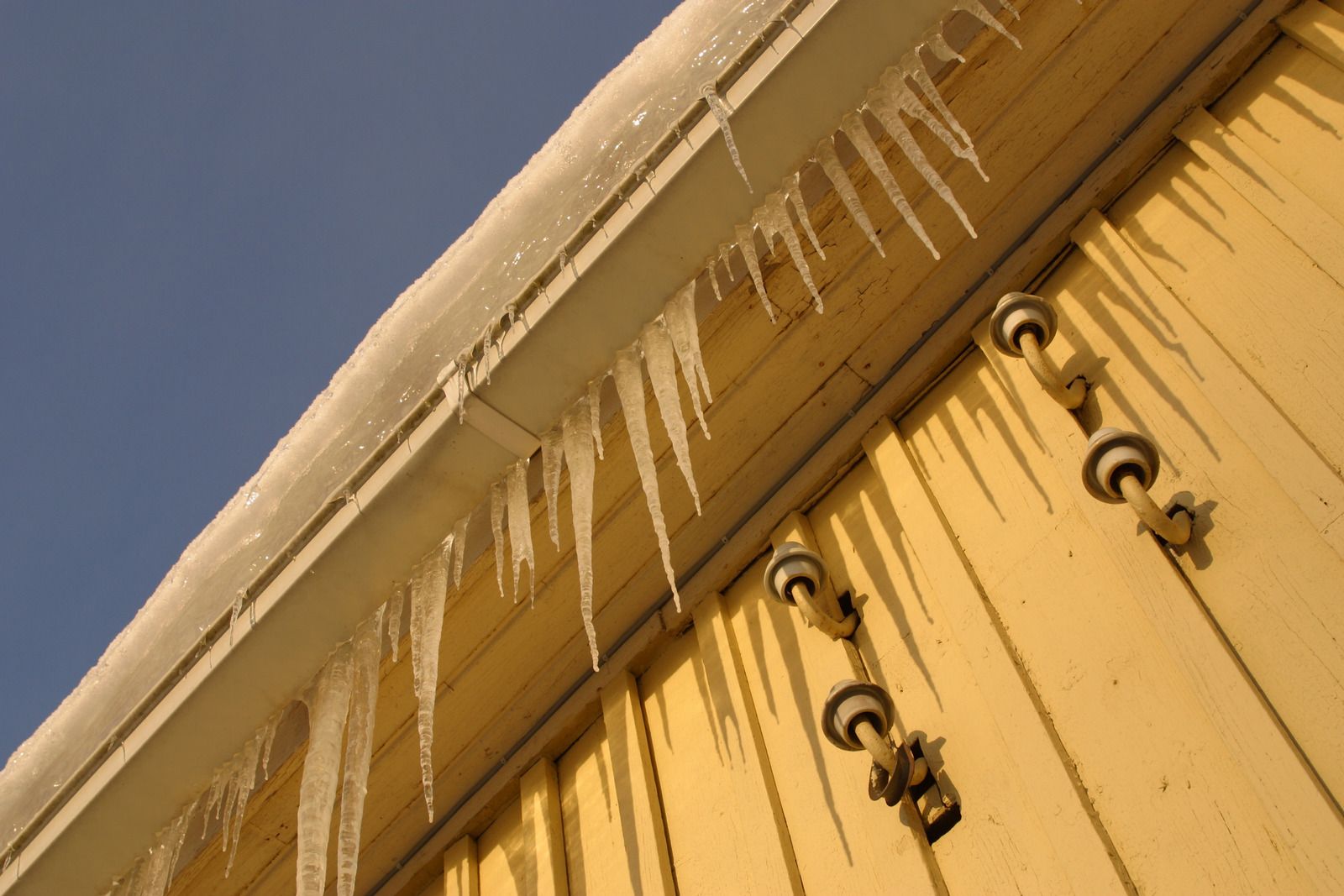
Your local climate plays a significant role in roofing decisions. Areas with heavy snowfall require systems with enhanced insulation and snow-melting capabilities, while regions with frequent rainfall benefit from efficient drainage and water-resistant materials. UV exposure can degrade certain membranes over time, making reflective coatings or UV-resistant materials essential in sunny climates. Environmental considerations also include wind uplift potential, hail resistance, and exposure to corrosive elements like salt or industrial pollutants.
Identifying Functional Requirements
Determine the functional priorities of your roof. Are you seeking maximum energy efficiency, minimal maintenance, long-term durability, or a balance of these factors? For instance, warehouses may prioritize durability and low maintenance, whereas office complexes may emphasize aesthetics and energy savings. Understanding your functional requirements helps narrow down roofing options that are most suitable for your property type and operational needs.
2. Exploring Common Commercial Roofing Systems
Built-Up Roofing (BUR)
Built-up roofing systems, commonly known as BUR, consist of multiple layers of bitumen and reinforcing fabrics. This system is highly durable and provides excellent waterproofing. BUR is ideal for flat roofs and can withstand heavy foot traffic and extreme weather. Its main challenge is the labor-intensive installation and occasional maintenance needs, but its lifespan often exceeds 20–30 years.
Single-Ply Membrane Roofing
Single-ply membranes, such as TPO, PVC, and EPDM, offer flexibility and ease of installation. TPO and PVC membranes are heat-welded for seamless protection, while EPDM is known for its resilience and cost-effectiveness. Single-ply systems are lightweight, energy-efficient, and ideal for roofs with limited structural load capacity. Regular inspections and preventative maintenance are key to prolonging their service life.
Metal Roofing Systems
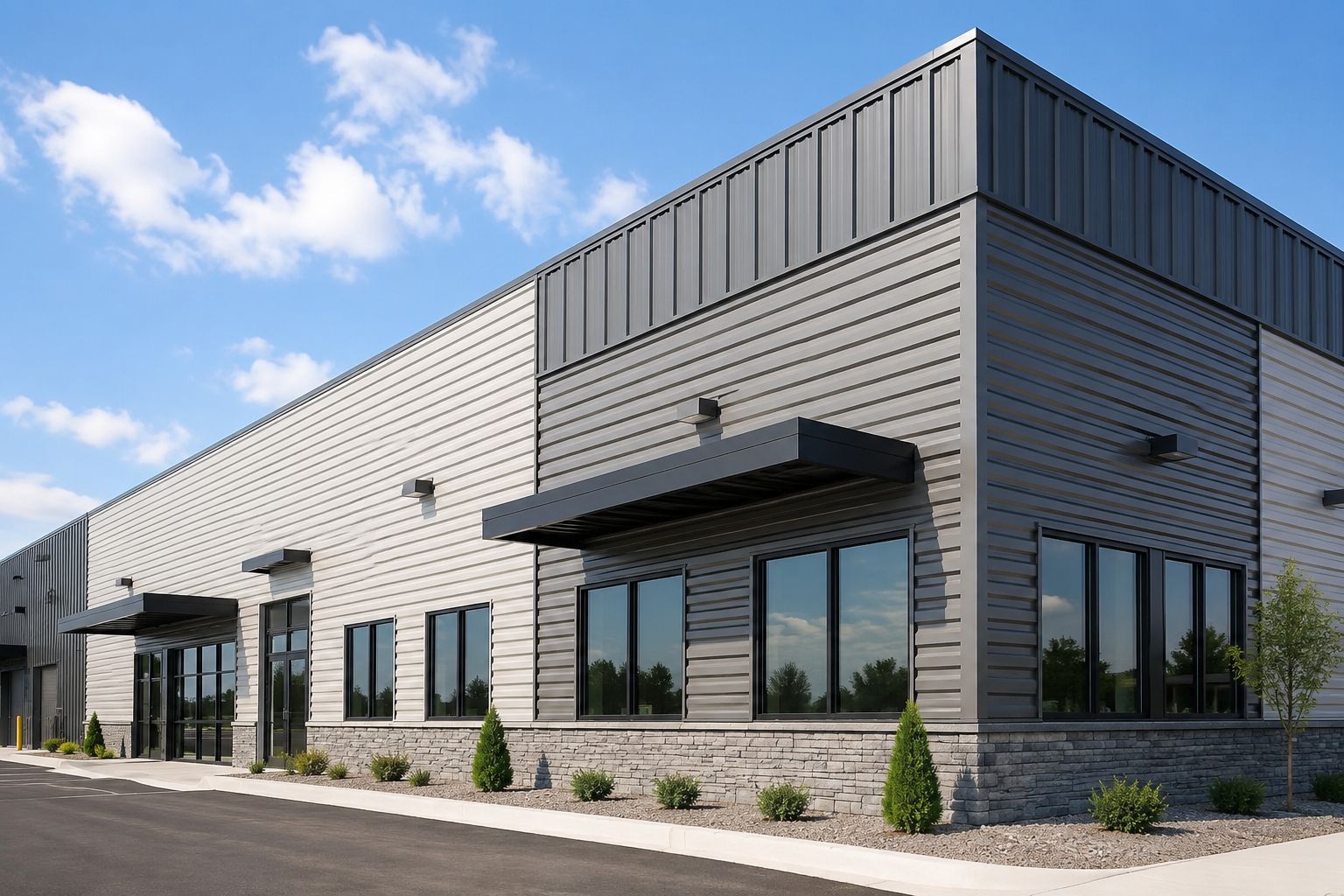
Metal roofing is gaining popularity in commercial properties due to its durability, energy efficiency, and long lifespan. Materials such as steel, aluminum, and zinc can resist fire, rot, and insect damage. Metal roofs are highly reflective, reducing cooling costs, and can be designed for both flat and sloped applications. Initial costs may be higher than other systems, but long-term savings and minimal maintenance often justify the investment.
3. Weighing Costs and Long-Term Value
Initial Investment vs. Lifecycle Costs
Cost considerations extend beyond initial installation. While built-up and single-ply systems may offer lower upfront costs, their long-term maintenance and replacement expenses should be factored in. Metal roofs, though expensive initially, often provide decades of low-maintenance performance, offering better lifecycle value. Conducting a cost-benefit analysis that includes installation, maintenance, energy savings, and potential repairs is essential to make an informed decision.
Return on Investment (ROI) Considerations
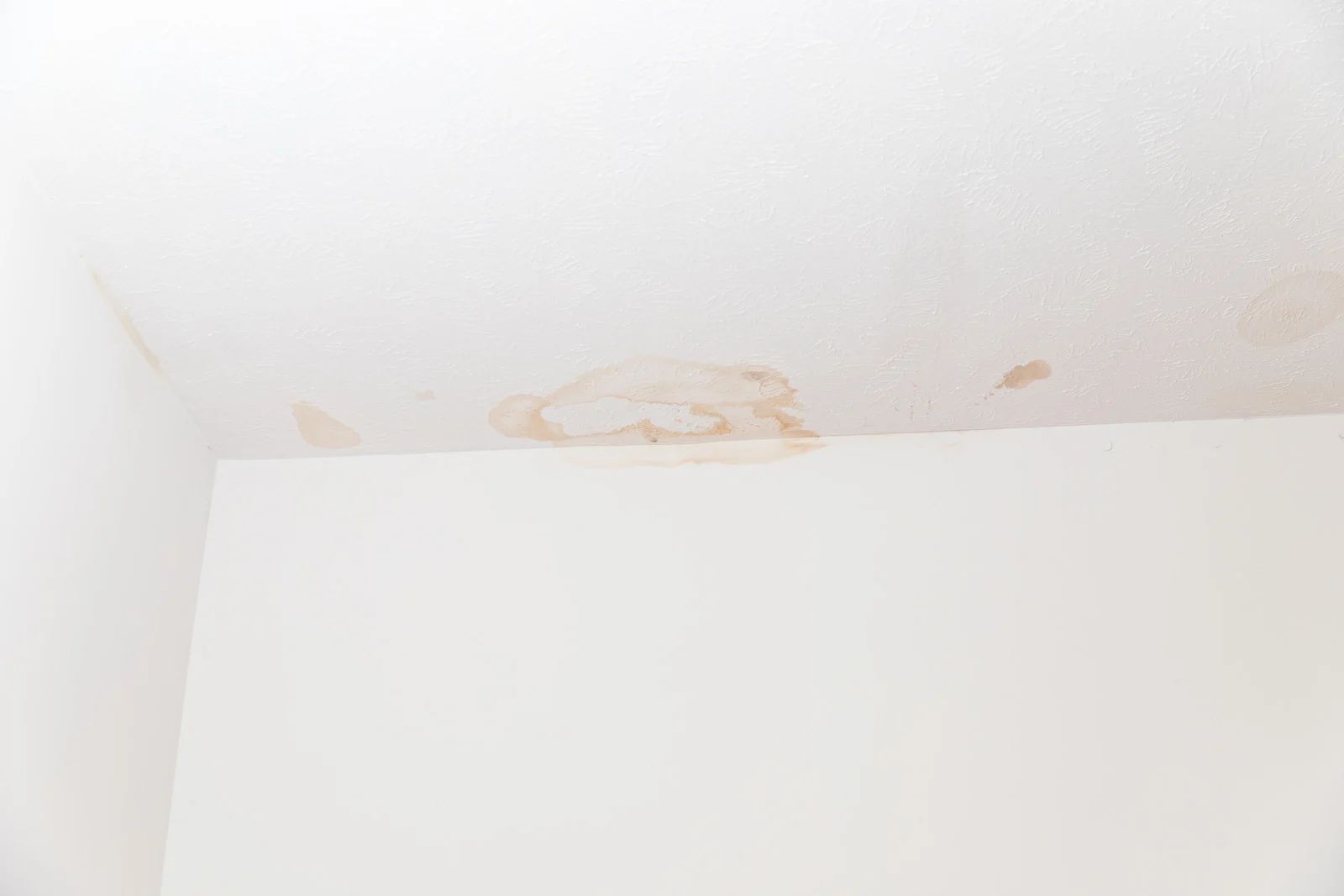
A roof contributes to energy efficiency, property value, and occupant comfort. Energy-efficient roofing materials can significantly reduce heating and cooling costs. Reflective coatings, insulation upgrades, and energy-efficient membranes provide long-term savings that improve ROI. Additionally, a well-maintained commercial roof protects tenant satisfaction, reduces liability risks, and minimizes business disruptions caused by leaks or structural failures.
Budgeting for Maintenance and Repairs
All commercial roofs require maintenance, regardless of the system chosen. Planning a maintenance budget helps prevent unexpected costs and extends the roof’s lifespan. Routine inspections, cleaning, and minor repairs are far less expensive than large-scale replacements caused by neglect. Factor in potential costs for snow removal, debris management, or rooftop equipment servicing.
4. Considering Durability, Warranty, and Maintenance
Durability Factors
Durability is influenced by material quality, installation precision, and environmental exposure. High-quality membranes, reinforced coatings, and corrosion-resistant metals increase resistance to leaks, punctures, and weather damage. Roofing systems designed for specific environmental conditions ensure long-term performance and reduce the risk of premature failure.
Warranty Coverage
Commercial roofing warranties vary by material type and manufacturer. Some offer basic coverage for defects, while others include extended protection for performance and material longevity. Understanding warranty terms, including what is covered, the duration, and any exclusions, is crucial. Warranties serve as both a safety net and an indicator of the manufacturer’s confidence in their product.
Maintenance Requirements
Maintenance expectations differ across roofing types. Built-up systems often require periodic inspections of seams and flashing, while single-ply membranes need preventive inspections to identify potential punctures. Metal roofs generally require minimal upkeep, with occasional checks for corrosion or fastener integrity. Selecting a roof with manageable maintenance needs reduces operational disruption and ensures long-term efficiency.
5. Energy Efficiency and Sustainability Considerations
Energy-Efficient Roofing Solutions
Energy-efficient roofing materials, such as reflective membranes, cool coatings, and insulated panels, minimize heat absorption and reduce HVAC energy consumption. Green roofing systems or rooftop gardens can also contribute to thermal regulation, stormwater management, and overall sustainability. Evaluating energy performance metrics and potential cost savings is essential when prioritizing efficiency.
Sustainable Material Choices
Sustainability includes not only energy efficiency but also material selection. Recyclable materials like metal roofing or eco-friendly membranes contribute to environmental responsibility. Some single-ply membranes and coatings are made with low-VOC compounds, improving indoor air quality and reducing environmental impact.
Meeting Regulatory and Certification Standards
Commercial roofing projects may be subject to local building codes, energy compliance regulations, and green certification standards such as LEED. Ensuring that your chosen system aligns with regulatory requirements prevents legal complications and may offer tax incentives or rebates. Consulting roofing experts familiar with local regulations streamlines compliance and supports long-term sustainability goals.
Making Informed Decisions for Roofing Longevity
Choosing the right commercial roofing system is a strategic decision that directly impacts the safety, performance, and value of your property. By thoroughly assessing structural capabilities, environmental conditions, and functional requirements, property owners can identify roofing solutions that align with both operational needs and long-term goals. Each roofing type—whether built-up, single-ply, or metal—offers unique advantages and challenges, making careful evaluation essential. Factoring in cost considerations, including lifecycle value and maintenance requirements, ensures a solution that balances upfront investment with long-term benefits. Durability, warranty coverage, and energy efficiency are equally critical, providing protection against environmental stressors while supporting sustainable and cost-effective operations.
Real-world experience demonstrates that proactive planning, informed decision-making, and collaboration with knowledgeable roofing professionals significantly enhance outcomes. Investing time in understanding roofing materials, installation practices, and maintenance expectations reduces the risk of premature failures and costly repairs. Energy-efficient and environmentally responsible solutions further improve property performance, contribute to sustainability, and may even provide financial incentives through reduced energy consumption or green certifications. In every case, the goal is to select a system that ensures safety, reliability, and operational continuity for years to come.
At Woodland Roofing & Exteriors, LLC, we bring over 30
years of expertise to commercial roofing projects throughout the Brainerd Lakes area and the Twin Cities, Minnesota. Our team specializes in guiding property owners through every aspect of roofing selection, from structural assessments to material recommendations, installation, and long-term maintenance planning. We prioritize transparent communication, high-quality workmanship, and solutions tailored to each property’s unique requirements. With decades of experience managing a wide range of commercial properties, we have earned a reputation for reliability, excellence, and professional integrity. Trust us to help you choose a roofing system that not only meets your immediate needs but also provides lasting performance and value. Your property deserves a roof that stands the test of time, and with Woodland Roofing & Exteriors, LLC, you gain a partner dedicated to achieving precisely that outcome.